
The hidden toxin in your receipt paper.

Let’s chat for a second. You just grabbed your morning coffee, or maybe you're leaving the grocery store. The cashier hands you that flimsy, crinkly receipt and you, without a second thought, tuck it into your wallet or the bottom of your bag. We've all done it a million times. It feels completely harmless, right? But I want you to pause with me here, because what’s coating that paper is something we really need to talk about.
Most of those thermal receipts-the kind that use heat to print and have that slightly glossy feel-are coated with a fine powder of either Bisphenol-A (BPA) or its chemical cousin, Bisphenol-S (BPS). I know, more acronyms to worry about. But stick with me. These chemicals are known endocrine disruptors, which is just a science-y way of saying they can mess with your body's natural hormone signals. And the research linking them to health concerns is pretty hard to ignore.
When you're constantly exposed, these chemicals have been associated with a whole host of issues. We're talking about things like:
- Hormonal imbalances
- Reproductive health problems
- Metabolic disruptions
- Potential links to certain types of cancers
It’s a lot to take in, I get it. The point isn't to scare you, but to empower you. Because once you know, you can make a change.
So, How Does This Stuff Actually Get Into Your System?
You might be thinking, 'I’m not eating the receipt, so what's the big deal?' The problem is that this chemical powder transfers to your skin on contact. It doesn't just sit on the surface; it can be absorbed directly into your bloodstream. And get this-studies have shown that using hand sanitizer or having any kind of lotion or grease on your hands can increase the absorption rate by up to 100 times. It’s because the alcohol and fats in those products break down the paper's protective layer, letting the BPA or BPS sink right in. It’s a perfect storm we create without even realizing it.
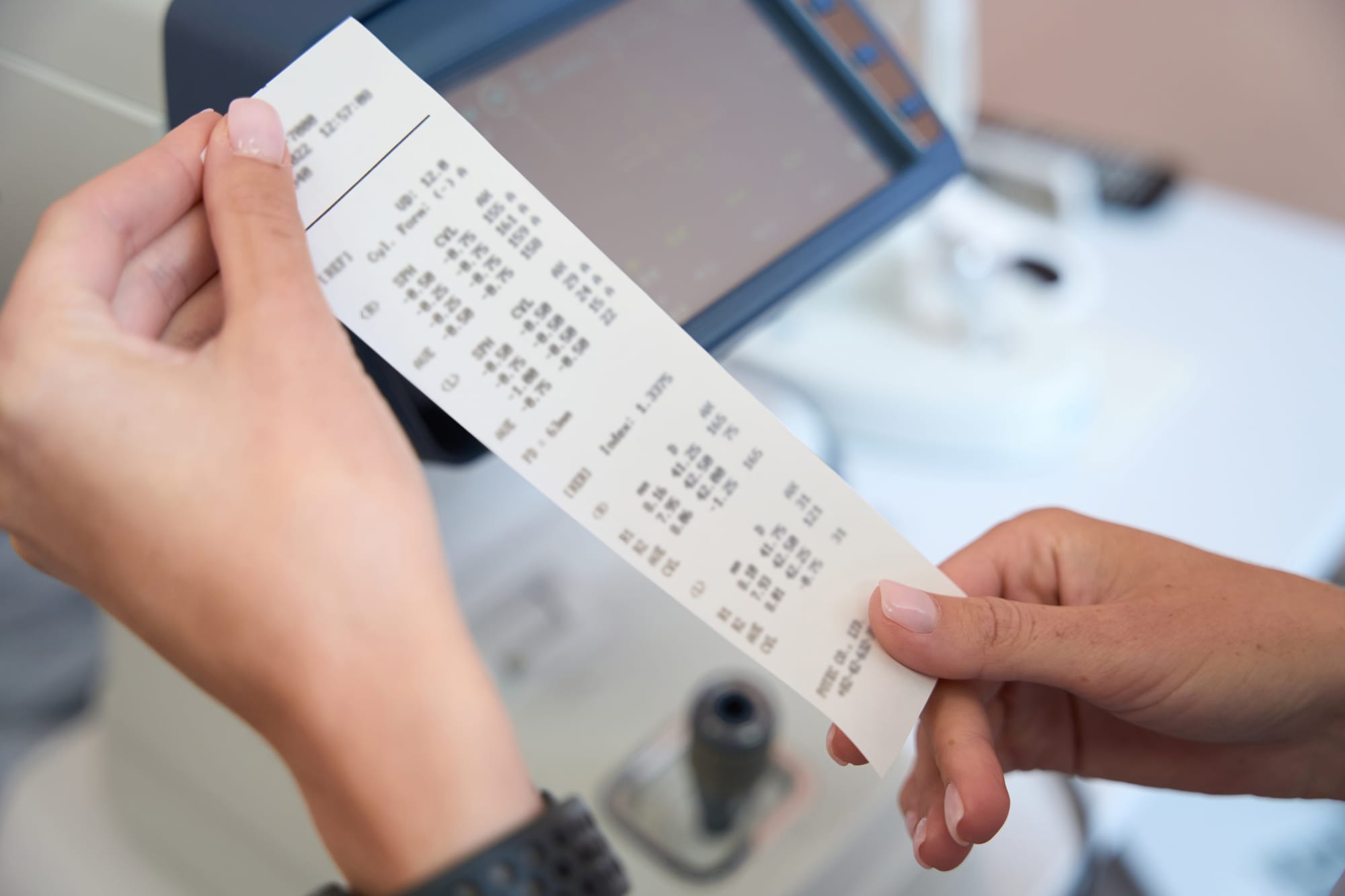
Okay, What Can You Actually Do About It?
This is where it gets good, because the solutions are surprisingly simple. This isn't about living in a bubble or being terrified of the world. It’s about making small, intentional shifts that add up to a huge win for your well-being. This is optimization, not deprivation.
First and foremost: just say no. When the cashier asks if you want your receipt, make 'No, thank you' your default answer. If you genuinely need it for an expense report or a return, ask for an e-receipt. Almost every major retailer offers this now, and it’s a zero-contact, zero-waste game-changer.
If you absolutely must take a paper one, handle it as little as possible. Pinch it by a corner, don’t fold it with your whole palm. And whatever you do, don't let it become a permanent resident in your wallet or purse, where it can rub off on your cash, cards, and everything else it touches. Think of it as a hot potato-get it filed or trashed as soon as you get home.
And the easiest habit of all? Wash your hands. As soon as you can after handling receipts, give your hands a good wash with simple soap and water. This is especially important before you eat or prepare food. It’s a tiny ritual that makes a big difference, breaking the chain of absorption before it even starts.
You see? None of this is about perfection. It’s about awareness. It’s about understanding the environment you live in and making smarter choices for the body you've got. You don't need to overhaul your entire life to reduce your toxic load. Sometimes, the most powerful acts of self-care are the quietest ones-the polite 'no, thank you' at the checkout counter, the simple act of washing your hands when you get home. These are the small hinges that swing big doors in your health journey. It's about taking back control in a world that often feels overwhelming. You’ve got this. It starts with one less piece of paper.