
The "no-phone" island in your living room.
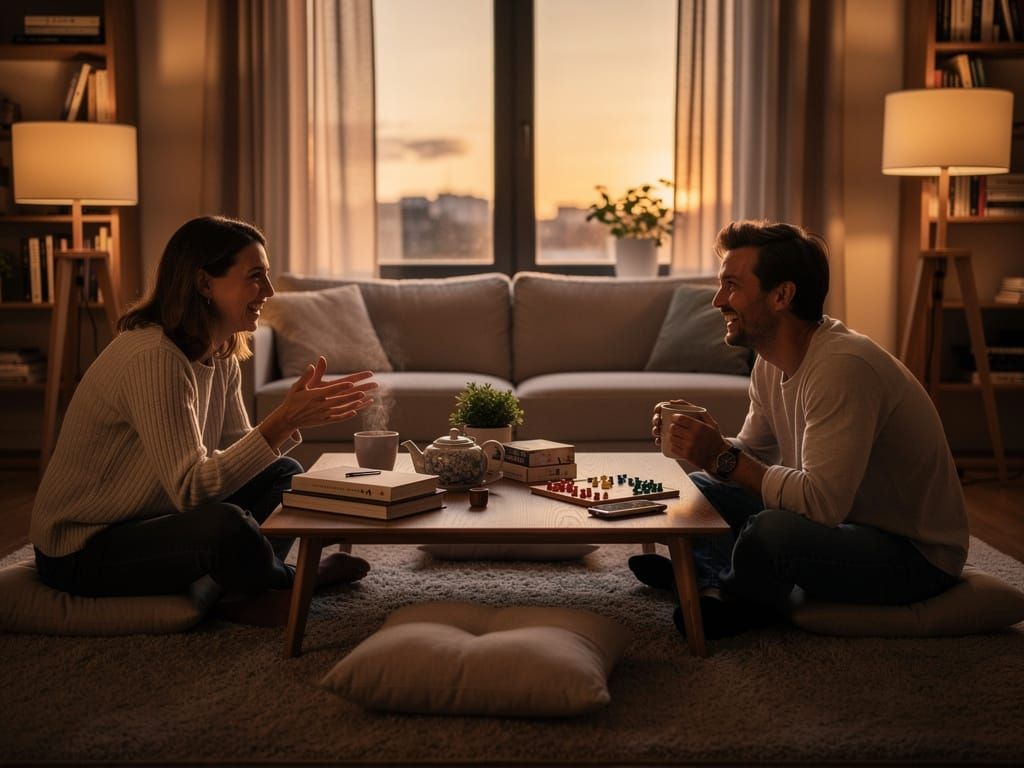
Research shows the average person touches, taps, or swipes their phone a staggering 2,617 times every single day. Let that sink in for a moment. We're not just using our phones; we're in a constant, low-grade conversation with them. It's a conversation that often leaves us feeling scattered and drained, and frankly, it's time we set some boundaries. This isn't about some extreme, off-grid fantasy. It's about carving out a tiny, sacred space in your own home where you can just... be.
Think about what that constant digital hum does to our nervous systems. Every ping, buzz, and notification is a micro-interruption that can keep our bodies in a state of high alert. Studies have found that this hyper-vigilance can increase our primary stress hormone, cortisol, by up to 20%. What's more, when we get pulled away by a notification, it takes an average of 23 minutes and 15 seconds to fully regain our focus on the original task. We're paying a high price for staying connected, and our attention is the currency.
So, What's a 'No-Phone Island?'
It's simpler than it sounds, I promise. A 'no-phone island' is just a designated physical space in your home-a chair, a corner, maybe the entire dining table-where phones are simply not allowed. It’s an agreement you make with yourself and your family. When you enter this space, your phone stays out. The idea comes from fascinating research out of the University of Texas at Austin, which found that the mere presence of your smartphone reduces available cognitive capacity. Participants’ test scores were a full 10% lower when their phone was on their desk versus in another room, even when it was turned off.
By creating a physical boundary, you're giving your brain a powerful, non-verbal cue that it's safe to relax and engage with the present moment. You’re not fighting the temptation to check your phone with willpower alone; you're changing your environment to make the healthy choice the easy choice. And the science on what happens next is pretty compelling.
The Surprising Data on Disconnecting
When you create intentional space away from your screens, the benefits aren't just a feeling-they are measurable. We're talking about real, quantifiable improvements in your relationships, focus, and even your sleep. It’s about so much more than just putting your phone down for a bit.
- Deeper Connections: The mere presence of a phone on a table can degrade the quality of your conversation. One study found it lowers feelings of empathetic concern between two people by 33%, as our attention remains partially divided.
- Sharper Focus: Remember that brain drain? Putting your phone in another room entirely has been shown to improve cognitive performance on complex tasks by a significant 10-12%. That's the kind of mental clarity we're all looking for.
- Restorative Sleep: People who commit to keeping phones out of the bedroom report a 29% improvement in their sleep quality. This is largely because it eliminates late-night exposure to blue light, which can suppress the production of the sleep hormone melatonin by more than half.
How to Build Your Own Sanctuary
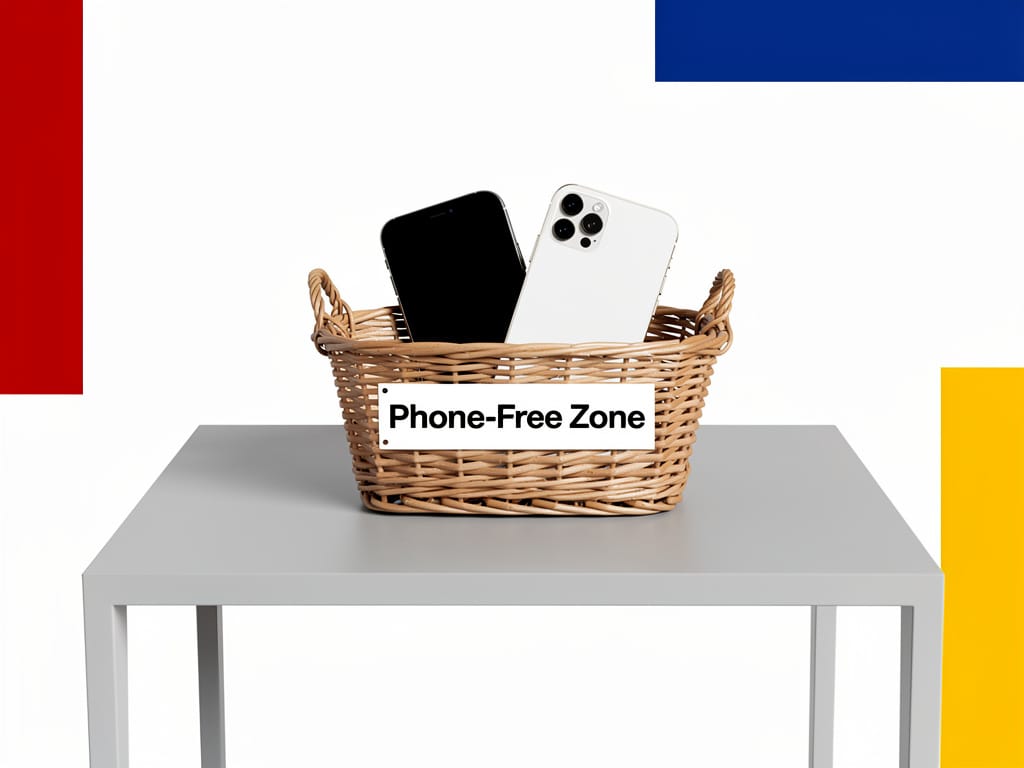
Okay, let's make this happen. You don't need to remodel your house. Start small. Pick one comfortable chair and decide that's your island. Maybe it's from 7 PM to 8 PM every night. The key is consistency, as research suggests it takes an average of 66 days for a new behavior to become an automatic habit. To make it stick, you could place a basket near your front door or on the kitchen counter-a 'phone dock' where devices go to rest.
The goal is progress, not perfection. Maybe you start with just 30 minutes a day. The positive feedback loop begins quickly. A fascinating study with pre-teens found that after just 5 days at a screen-free outdoor camp, their ability to read nonverbal emotional cues improved dramatically. Our brains are incredibly adaptive and are just waiting for a chance to reconnect with the real world.
This isn't an attack on technology. It's a strategy for living well alongside it. When you consider that over 60% of us report feeling anxious without our phones-a condition known as nomophobia-it becomes clear that we need to redefine our relationship with these devices. The 'no-phone island' isn't about deprivation; it's about restoration. It's about consciously choosing to invest your attention in your own thoughts, your family, or a good book, instead of letting it be chipped away by an endless scroll.
So, look around your home. Where can your island be? It doesn't need to be big. A space that makes up just 1% of your home's square footage can have an outsized impact on your well-being. You're simply taking back a little piece of your life, giving your mind a place to breathe, and reminding yourself that the most important connections don't require a signal at all.