
Is your matcha actually fake?
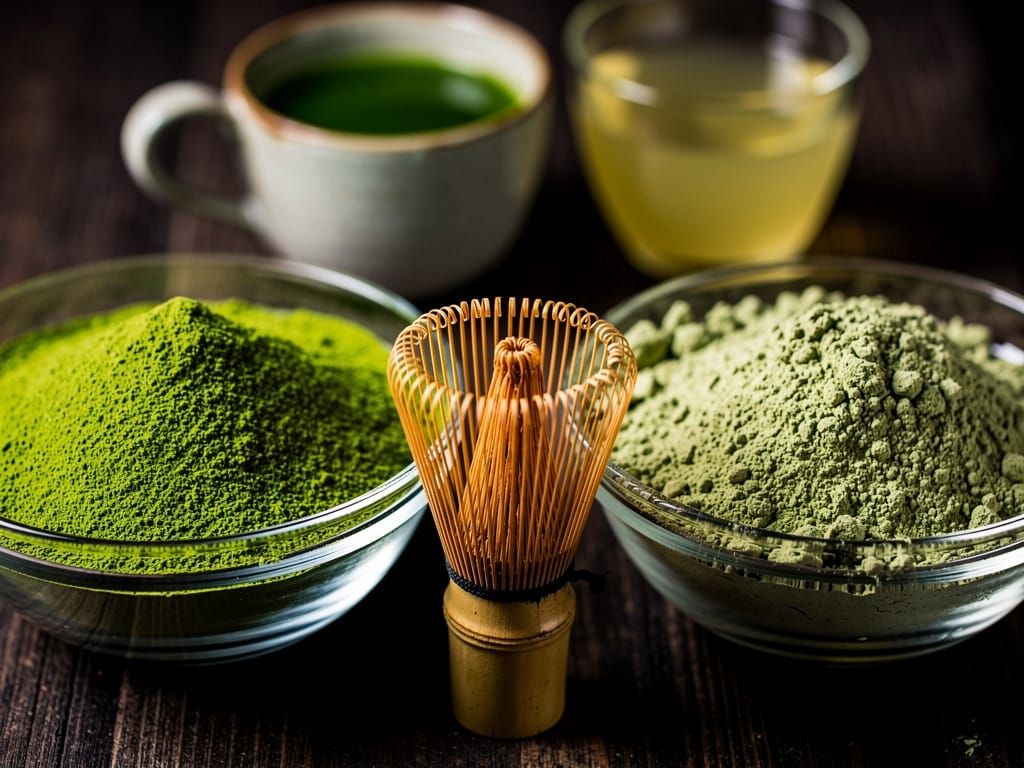
The Great Green Powder Mix-Up
So, you've completely fallen for matcha. I get it. There's something so comforting and sophisticated about whisking up that vibrant green drink, and it feels like a genuinely good choice for your body. But let's have a little chat, because not all green powders are created equal, and it's shockingly easy to end up with something that isn't what you think it is. You might be paying a premium for a product that's more about marketing than quality, leaving you with a bitter taste in your mouth- literally. It's a confusing market out there, but figuring out what's what is simpler than you'd think once you know what to look for.
Let's Talk Color and Texture
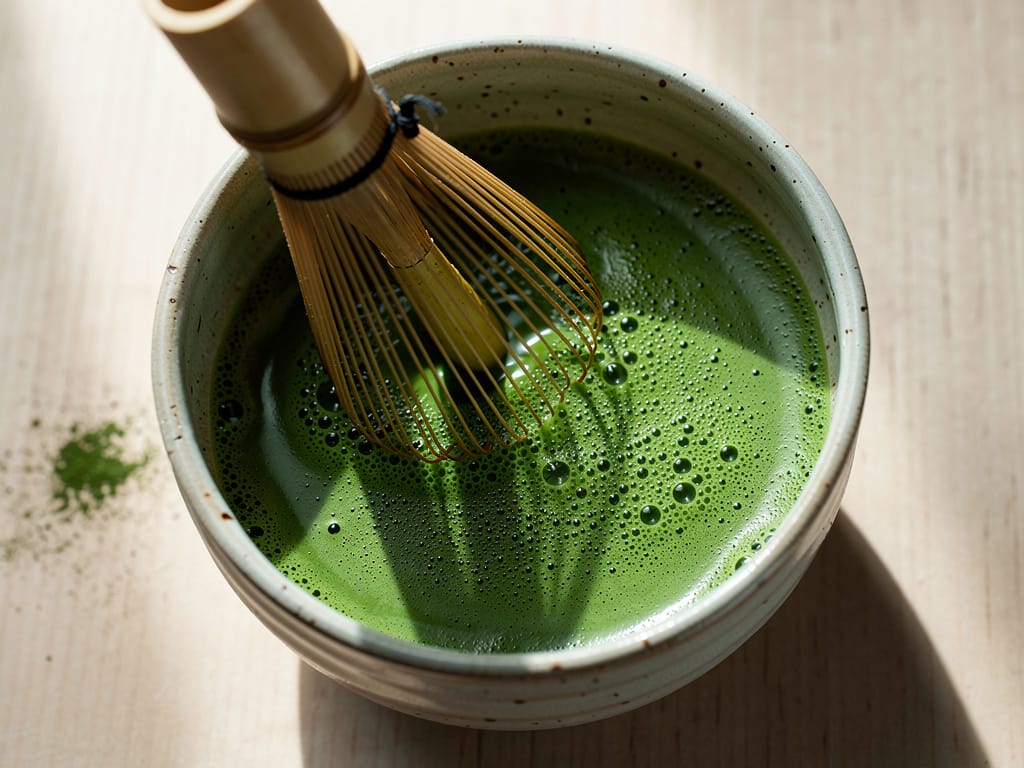
The very first clue is right there in front of your eyes: the color. I'm talking about a truly vibrant, electric, spring green. This brilliant hue comes from shade-growing the tea leaves, which boosts their chlorophyll content. If you open a tin and find a dull, swampy, or yellowish-brown powder, that’s your first red flag. This often means the leaves were lower quality, harvested too late, or have oxidized from poor storage, stripping them of their delicate flavor and potent antioxidants.
Next, let's get tactile. Rub a little bit of the powder between your fingers. High-quality, ceremonial-grade matcha is stone-ground into an incredibly fine powder that should feel as soft and silky as eyeshadow. It should dissolve almost instantly into water without much fuss. If what you have feels gritty or coarse, or if it clumps up into stubborn little rocks that refuse to mix, you're likely dealing with a lower-grade product that wasn't milled with the same care and precision.
The Flavor Profile: From Umami to Unpleasant
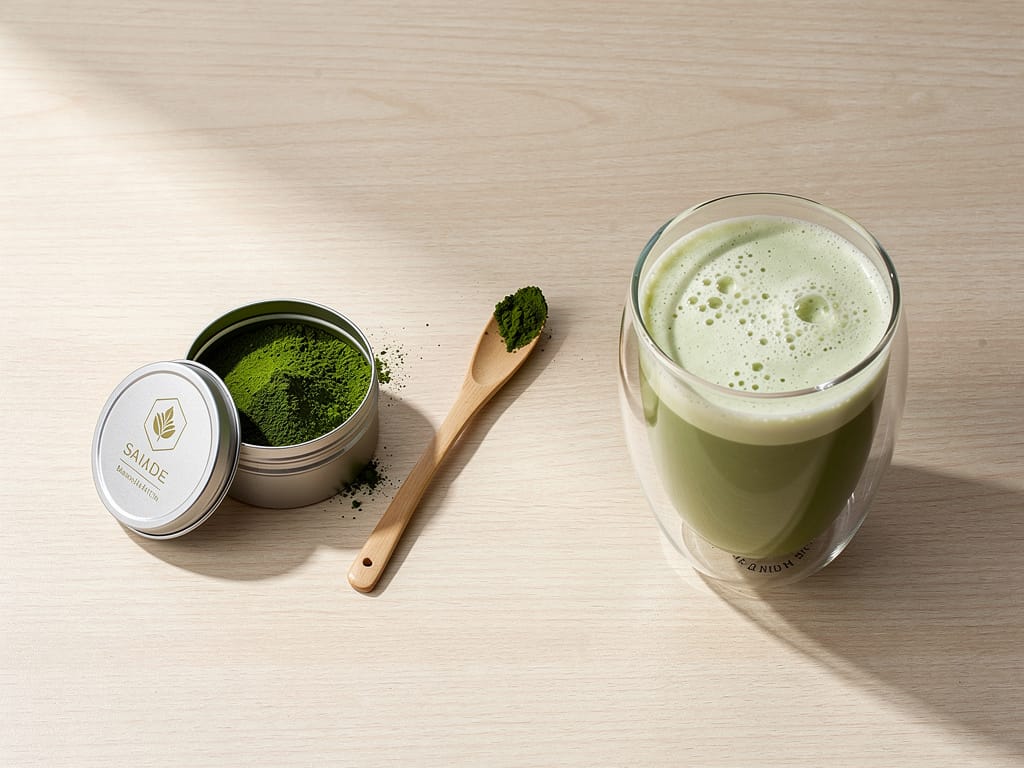
Here's where the difference really hits you. A truly wonderful matcha has a complex flavor profile that's hard to forget. You're looking for a smooth, mellow taste with a deep, savory note called umami, which is balanced by a natural, subtle sweetness and a clean finish. It shouldn't be aggressively bitter at all; in fact, a good ceremonial matcha is so smooth you can drink it with just hot water, no milk or sugar needed. It’s a rich, vegetal, and deeply satisfying experience.
On the flip side, 'fake' or low-quality matcha will be overwhelmingly bitter and astringent. That harshness is a dead giveaway that it was made from older, tougher leaves that weren't properly de-stemmed or de-veined before grinding. While there is a place for 'culinary grade' matcha- which is intentionally more robust for baking and lattes- it shouldn't be passed off as the delicate, premium powder meant for traditional preparation. If the price seems too good to be true for a large tin, it's almost certainly not the high-grade stuff you're hoping for.
Origin and Grade Are Everything
The source of your matcha is non-negotiable for authenticity. True matcha is exclusively a product of Japan, with renowned regions like Uji, Nishio, and Fukuoka setting the standard for quality. A powder simply labeled 'green tea powder' from another country is not matcha, as it doesn't follow the specific, painstaking cultivation and processing methods that define the real thing. Always check the packaging for its origin; a reputable brand will be proud to tell you exactly where their tea was grown and harvested.
Understanding the grade is also key to avoiding disappointment. Ceremonial grade is the highest quality, made from the youngest, most tender leaves of the first harvest, and is intended for drinking as tea. Culinary grade, on the other hand, comes from later harvests and has a stronger, more bitter flavor profile that's designed to stand up to other ingredients in recipes like smoothies, cakes, and lattes. Neither is 'bad,' but you need to know what you're buying for the experience you want. Using culinary grade for a traditional tea ceremony will be a letdown, just as using expensive ceremonial grade for a batch of muffins is a waste of its delicate character.
You deserve to enjoy the real, beautiful experience of authentic matcha.