
Is your pillow ruining your skin?

You cleanse. You moisturize. You apply that carefully chosen serum before bed. And then you press your face directly against a surface that may be working against everything you just did.
Here's the truth: your pillow might be one of the most overlooked factors in your skin's health - and most people never think twice about it.
What's Actually Happening While You Sleep
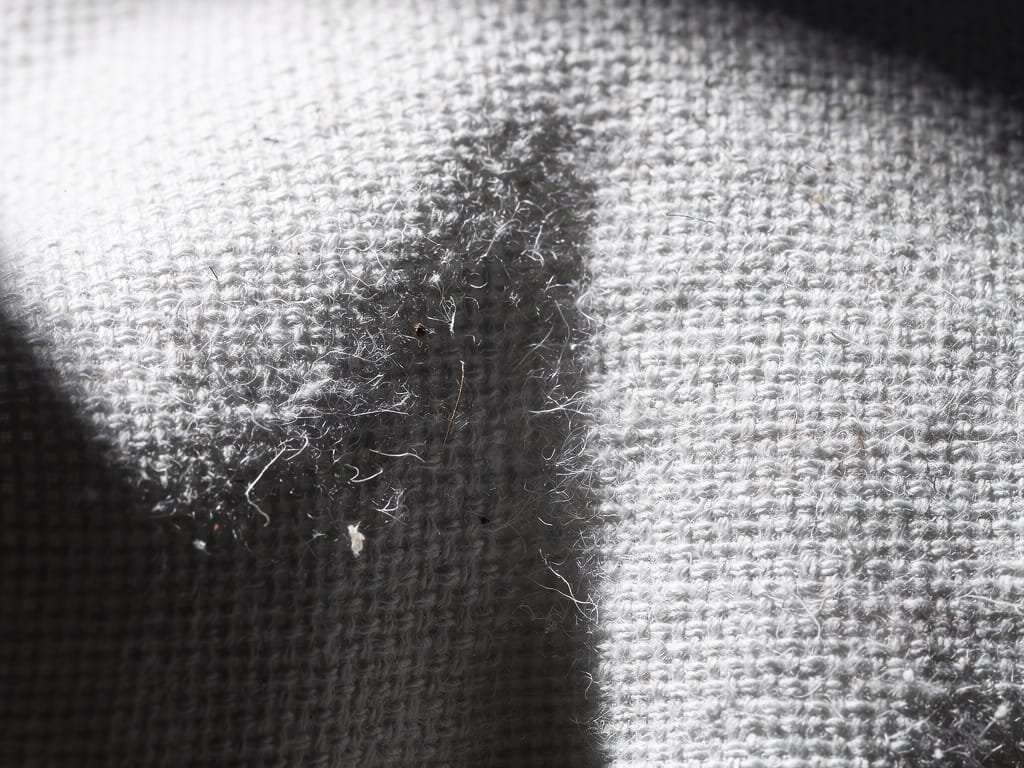
Every night, you spend 6 to 9 hours with your face pressed against a single surface. That's a lot of contact time. And during those hours, a few things are quietly happening that your morning mirror eventually reveals.
- Friction builds up. Cotton pillowcases - even soft ones - create friction against your skin as you shift positions. Over time, this repetitive tugging can break down collagen and contribute to sleep lines that gradually become permanent creases.
- Bacteria accumulates fast. Dead skin cells, sweat, hair product residue, and natural oils transfer to your pillowcase every single night. Within just a few days, that surface becomes a breeding ground for bacteria that can trigger breakouts, irritation, and clogged pores.
- Moisture gets stripped. Cotton is highly absorbent. That means it pulls hydration right out of your skin - and right off the surface of any overnight moisturizer you applied before bed.
- Product absorption is compromised. If your pillowcase is absorbing your serums and creams instead of your skin, you're essentially moisturizing your pillow. That's not exactly the ROI you were going for.
The damage is slow and cumulative. That's exactly why it flies under the radar for so long.
The Upgrade That Actually Changes Things
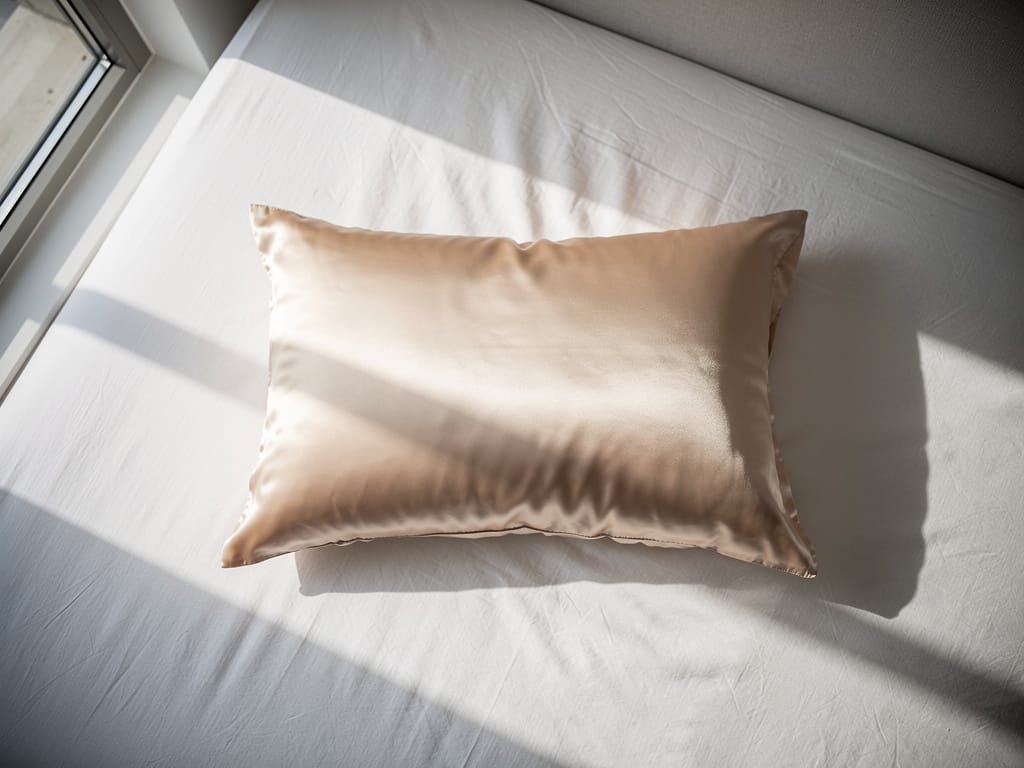
Let's dive deeper into what a simple swap can do - because this isn't about luxury. It's about removing a daily source of skin stress.
Silk and satin pillowcases are the most recommended alternatives, and the reasons are concrete:
- Dramatically less friction. The smooth surface allows your skin to glide rather than drag. Less mechanical stress means fewer sleep lines and less irritation for sensitive or acne-prone skin.
- Non-absorbent surface. Unlike cotton, silk doesn't pull moisture from your skin or strip your overnight skincare products. Your serum stays where you put it.
- Temperature regulation. Silk naturally stays cooler, which can reduce overnight inflammation - a real benefit for anyone dealing with redness or reactive skin.
- Hypoallergenic properties. High-quality silk is naturally resistant to dust mites and mold, making it a smarter choice for anyone with allergies or sensitivity.
But here's what matters just as much as the material: how often you wash it.
The Habits That Make the Real Difference
Switching to silk is a great start. But the full picture involves a few non-negotiable habits that keep your sleep environment genuinely clean.
Wash your pillowcase every 2 to 3 days if you're acne-prone. Once a week is the absolute minimum for everyone else.
- Always cleanse your face before bed. Going to sleep with makeup, sunscreen, or pollution residue on your skin accelerates the buildup on your pillowcase - and the cycle of breakouts that follows.
- Flip your pillow nightly. A simple habit that halves the bacterial exposure on the side touching your face.
- Keep hair products away from your pillowcase. Dry shampoos, styling creams, and oils transfer directly onto the surface your face sleeps on. A loose braid or sleep cap can help contain the transfer.
- Consider a copper-infused pillowcase if bacteria is a persistent concern. Research suggests copper-oxide fibers have antimicrobial properties that can reduce surface bacteria between washes.
Your nighttime routine doesn't end when you apply your last product. It ends when your head hits a clean, skin-friendly surface.
The good news? This is one of the easiest, lowest-effort upgrades in your entire wellness toolkit. No complicated protocols. No expensive treatments. Just a smarter surface - and the awareness to keep it clean.
Your skin is doing its best repair work while you sleep. Give it an environment that supports that process instead of fighting it.