
Chlorophyll: Green magic or just hype?
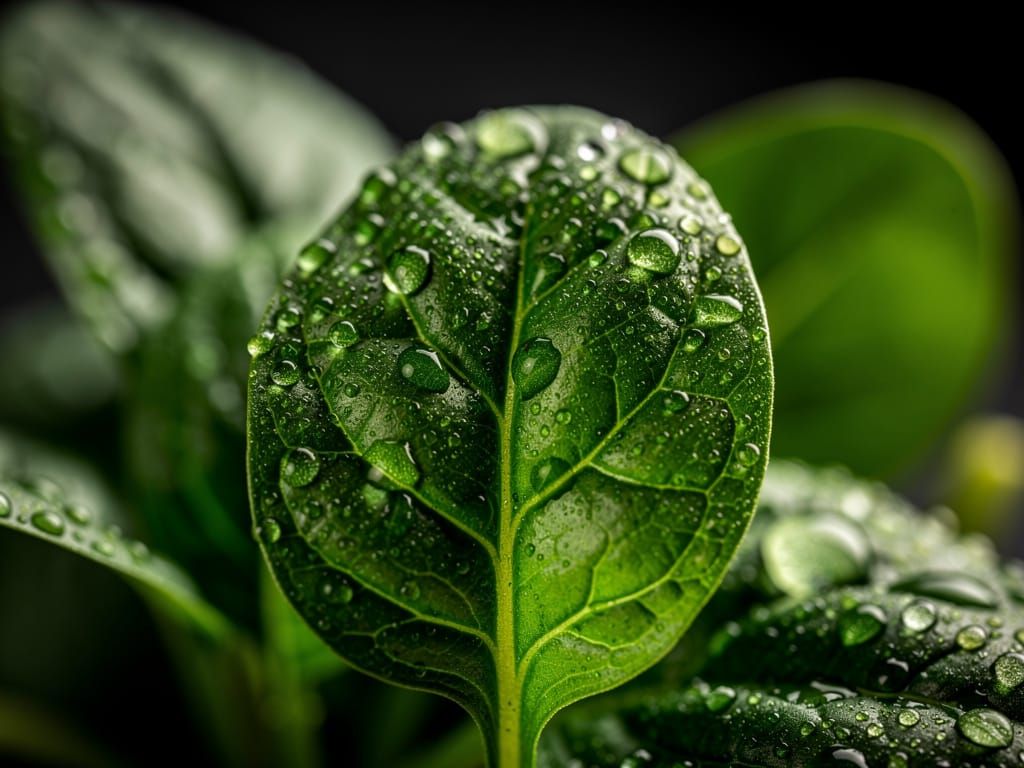
The Green Pigment Everyone Is Suddenly Talking About
Chlorophyll is the molecule that makes plants green - and right now, it is absolutely everywhere on your social feed.
But here is the real question: is this a genuine wellness upgrade, or just another trend dressed in a pretty color?
Let's cut straight to it.
What Chlorophyll Actually Is
Chlorophyll is the photosynthetic pigment found in virtually every green plant, algae, and even some bacteria on Earth.
Its job in nature is simple and brilliant - it captures light energy and converts it into fuel for the plant.
Here's the truth: when you consume it, either through whole foods or a liquid supplement, your body interacts with it in some genuinely interesting ways.
Chlorophyll's molecular structure is strikingly similar to hemoglobin - the protein in your red blood cells that carries oxygen - with one key difference: the central atom is magnesium instead of iron.
That structural similarity is exactly why researchers started paying close attention to it decades ago.
The Science Behind the Hype
So what does the research actually say?
Studies published in journals including the Journal of Medicinal Food have pointed to chlorophyllin - a water-soluble, semi-synthetic derivative of chlorophyll - showing real promise as an antioxidant and anti-inflammatory compound.
One area that keeps coming up in the literature is skin health: a small but compelling clinical study found that topical chlorophyllin gel reduced acne lesions and improved overall skin appearance in participants over a defined trial period.
Another area generating serious interest is internal deodorization - chlorophyll has been studied for its ability to bind to and neutralize odor-causing compounds in the gut.
Research also suggests it may support the body's natural detoxification pathways by binding to certain harmful compounds before they can be fully absorbed.
These are not miracle claims - they are early but legitimate signals worth tracking.
Whole Food vs. Liquid Supplement: What Actually Works?
Here's where it gets practical.
Eating chlorophyll-rich whole foods - think spinach, parsley, kale, matcha, and spirulina - gives you the pigment alongside a full matrix of fiber, vitamins, and phytonutrients that work together synergistically.
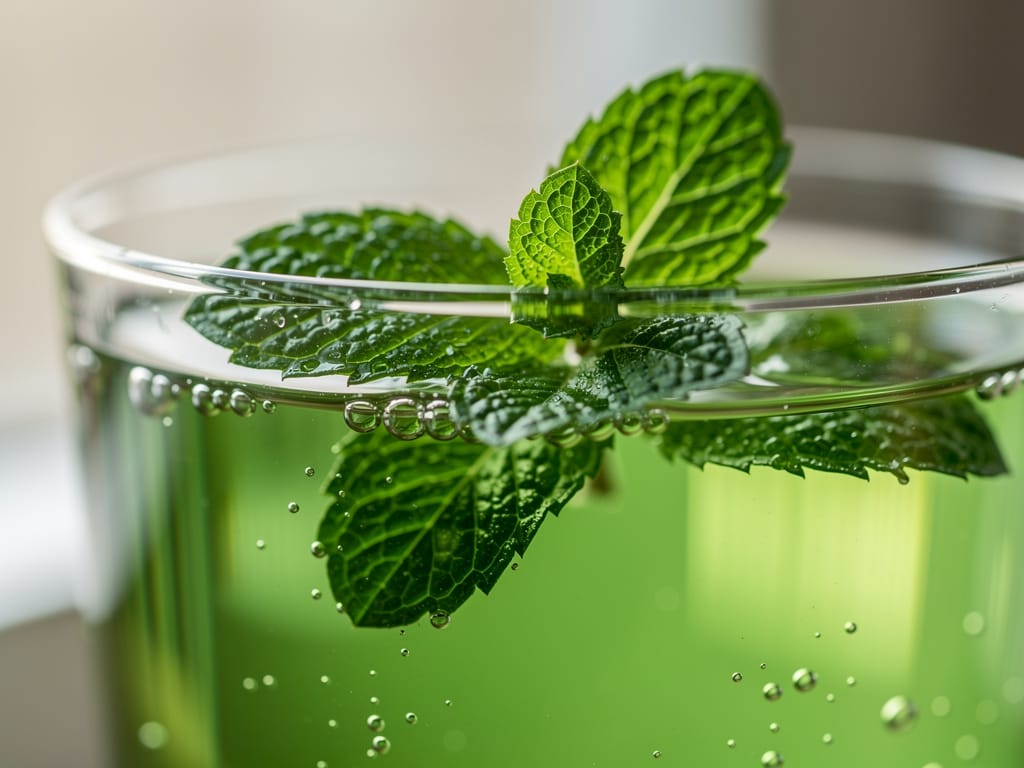
Liquid chlorophyll drops, which have gone viral for their vivid green water aesthetic, typically contain chlorophyllin rather than true chlorophyll, making them more stable and water-soluble.
Neither approach is wrong - they just serve slightly different purposes and lifestyles.
The Honest Verdict
Here is what separates chlorophyll from pure trend noise: it has a real biological basis, a growing body of research, and a track record in traditional plant-based medicine that long predates TikTok.
It is not a cure, and it is not magic - but dismissing it entirely as hype would be just as intellectually lazy as calling it a miracle.
The smartest move you can make right now is this:
- Load your plate with dark leafy greens daily - this is the most bioavailable, nutrient-dense way to get chlorophyll consistently.
- Consider liquid chlorophyll drops if you want a convenient, low-effort addition to your morning water routine.
- Look for spirulina or chlorella as supplement forms if you want a concentrated whole-food source with additional protein and micronutrients.
- Pair it with a varied, colorful diet - chlorophyll works best as part of a broader plant-rich lifestyle, not as a standalone fix.
- Track how you feel - skin clarity, digestion, and energy levels are the personal metrics that matter most here.
The green revolution is not hype - it is a reminder that some of the most powerful tools for your health have been growing in the ground all along.
Start simple, stay consistent, and let the science - not the algorithm - guide your next move.