
Don’t sit after lunch.

Let's have a little chat, just you and me. You know that feeling, right? You've just finished a perfectly lovely lunch, and all you want to do is sink into your chair and let the world fade away. The infamous post-lunch slump comes knocking, and it feels so natural to just give in. I get it, I really do. For years, my default setting after a meal was 'hibernate'. But what if I told you that one of the kindest things you can do for your body is to gently push back against that urge?
It’s not about forcing yourself into a workout or feeling guilty for wanting to rest. It's about understanding the two very different paths your body can take in the hour after you eat. Think of it as a fork in the road for your energy and digestion. One path leads to that familiar heavy, sleepy feeling, while the other leads to a surprisingly light and clear-headed afternoon. The choice is simpler than you think.
The Great Post-Meal Divide: The Sitter vs. The Stroller
Okay, so picture this: you've just eaten. Your digestive system is starting to break down that food into glucose, which is basically fuel for your cells. What you do next tells your body how to handle that incoming fuel. Do you signal for it to be stored away, or do you signal for it to be used right now? This is where the simple act of sitting versus moving comes into play, and it makes a world of difference.
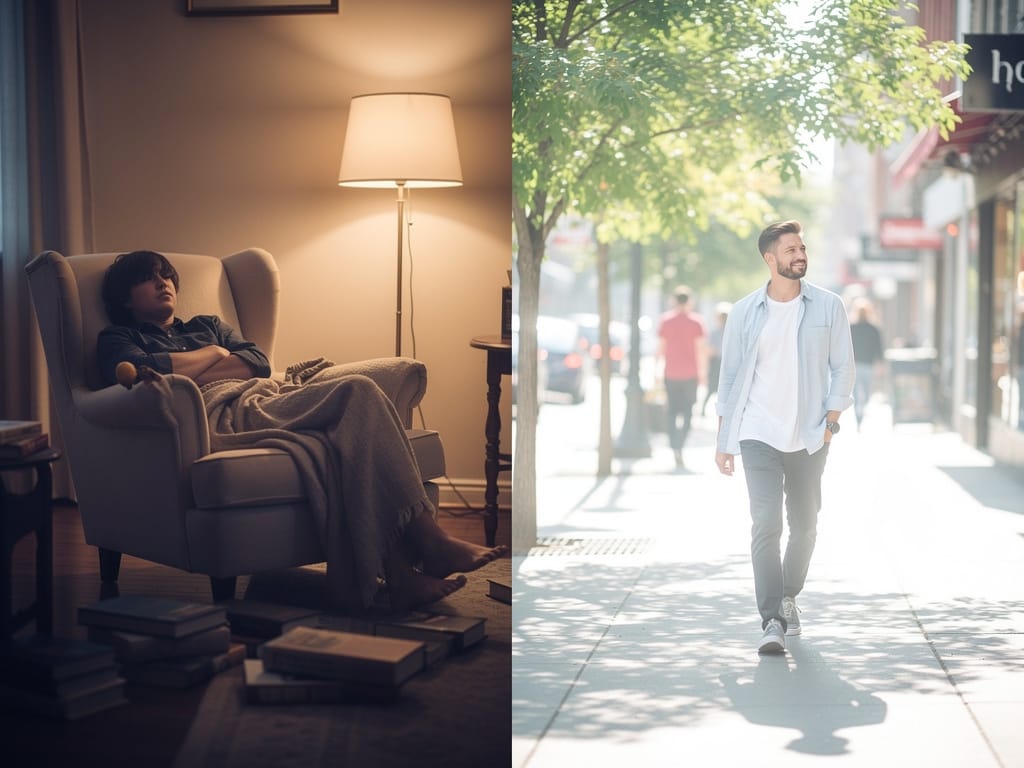
The 'Sit and Slump' Scenario
When you immediately sit down after a meal, especially a carb-heavy one, you’re not giving your body much to do with that sudden influx of glucose. Your muscles are at rest, so they aren't calling for any fuel. The result? That glucose hangs around in your bloodstream, often leading to a significant blood sugar spike. Your body then releases a rush of insulin to manage it, and this whole rollercoaster is what often brings on the classic 'food coma'. It's a cycle of spiking and crashing that leaves you feeling drained.
- The Blood Sugar Rollercoaster: Without immediate use, blood sugar can rise sharply, followed by a crash that zaps your energy and focus.
- Digestive Drag: Gravity and lack of movement can slow down digestion, sometimes contributing to feelings of bloating, indigestion, or heaviness.
- The Storage Signal: When there's excess glucose and no demand for energy, your body gets the message to store it away for later - often as fat.
The 'Move and Mingle' Alternative
Now, let's look at the other side of the coin. What happens if you choose a gentle walk instead? We’re not talking about a power walk or a run, just a simple 10 to 15-minute stroll. As you start moving, your muscles - the largest glucose consumers in your body - start soaking up that fuel directly from your bloodstream. This action is incredible because it helps blunt that big blood sugar spike. You're using the energy as it comes in, creating a much more stable and gentle metabolic response. It’s like opening the floodgates in a controlled way instead of letting the dam break.
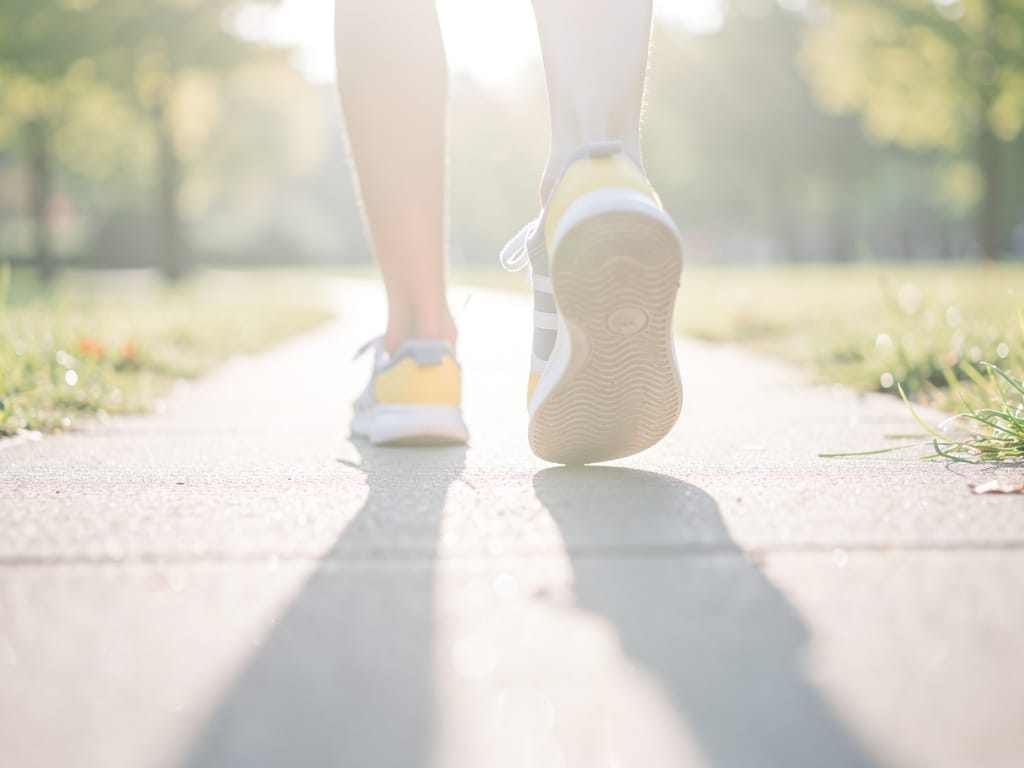
- Stable & Steady Energy: A light walk helps your muscles use up mealtime glucose, preventing sharp spikes and subsequent energy crashes.
- Happy Digestion: Gentle movement can stimulate the stomach and intestines, helping food move through your system more efficiently and reducing bloating.
- A Clearer Mind: By avoiding the blood sugar rollercoaster, you often sidestep that afternoon brain fog, staying more alert and productive.
Making It Work for Your Real Life
I know what you're thinking. 'A walk after lunch sounds lovely, but I work at a desk!' or 'I only have a 30-minute break!' This is not about adding another stressful 'to-do' to your list. It's about finding tiny pockets of movement. Can you walk around the block while you take a phone call? Can you stand and do the dishes right after eating at home? Even just standing and stretching for 10 minutes is better than collapsing onto the couch.
The goal is simply to break the habit of being completely sedentary right after you eat. Think of it as an act of partnership with your body. You've given it fuel, and now you're helping it use that fuel in the best way possible. It's a small hinge that swings a big door when it comes to your daily energy.
At the end of the day, this is just a small, gentle shift. It’s not about perfection; it’s about intention. You’re simply choosing a path that leaves you feeling more vibrant and less sluggish. It’s a tiny ritual that honors your body’s amazing ability to create energy, and you're just giving it a little nudge in the right direction.
This practice is a perfect example of what we believe in here at Nutra Life Healing. It's not a complicated protocol or a restrictive rule. It’s a simple, sustainable strategy that supports your body’s natural rhythm. It’s about optimizing your daily habits to work for you, not against you, so you can feel your best without the overwhelm.
So, I invite you to try it. Just for a week. After you finish your lunch, resist the urge to sit for just 10 minutes. Go for a slow walk, tidy up the kitchen, or just stand and look out the window. Pay attention to how you feel 30 minutes later, an hour later. You might be surprised at the clear-headed energy you find waiting for you.