
Wind-Down Windows: How 15 minutes of dim light changed my evening rest.
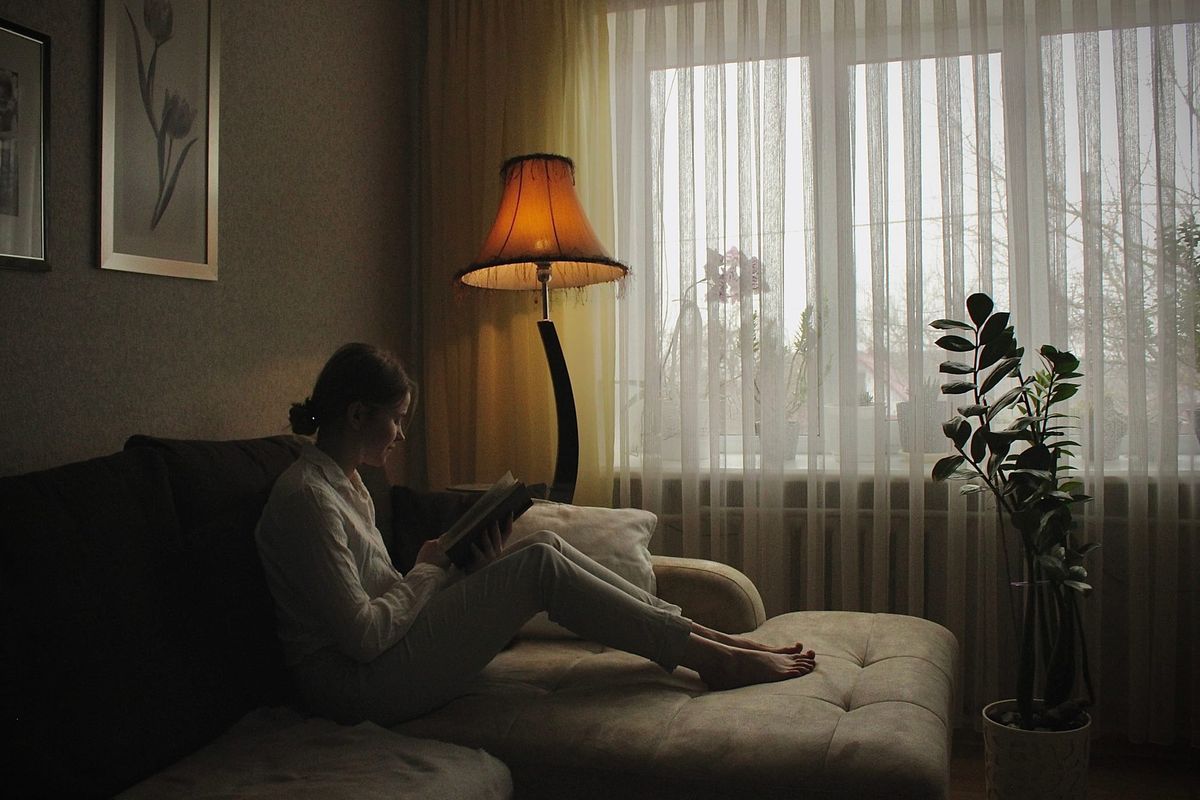
That feeling of being 'wired but tired' is one of the great paradoxes of modern life. You’ve pushed through a demanding day, your body is physically exhausted, yet your mind refuses to power down. It races with tomorrow’s to-do list, replays conversations, and resists the deep rest you desperately need. For many of us, the culprit isn't just stress; it's the constant bath of bright, artificial light we live in, a signal that tells our ancient biology that it's perpetually midday.
This constant exposure, especially from the blue light emitted by our screens, actively suppresses the body’s natural sleep signals. It’s like trying to sleep while someone keeps flicking the lights on. But what if you could create a clear, undeniable signal for your brain to begin its nightly shutdown sequence? This is the power of the 'Wind-Down Window' - an intentional, 15-minute period of dim light that can fundamentally reset your evening and transform the quality of your sleep.
This isn't about deprivation or adding another complex rule to your life. It's about working with your body's brilliant, built-in systems, not against them. By consciously controlling your light environment before bed, you are taking direct command of your hormonal and neurological states. You are telling your body, on a cellular level, that the day is done and it is safe to rest, recover, and repair. This small shift is one of the most powerful levers you can pull to improve your energy and mental clarity.
Creating Your 15-Minute Wind-Down Window
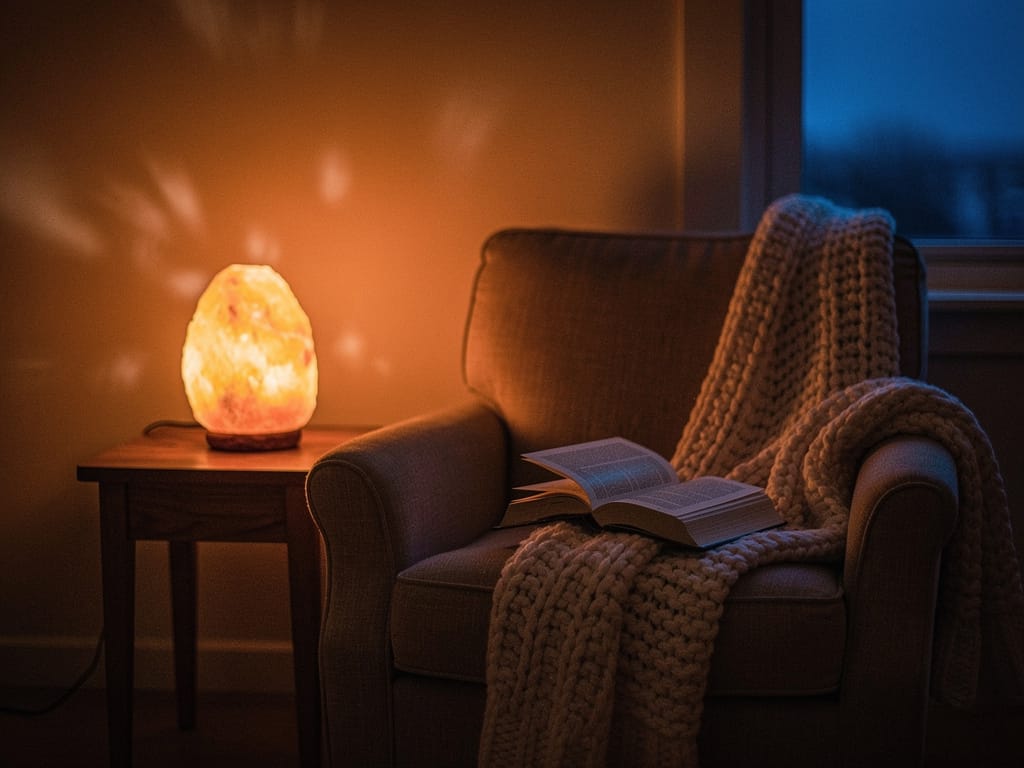
Implementing this practice is refreshingly simple. It’s about creating a ritual that your body begins to anticipate and respond to. Follow these steps to build a powerful new evening habit that requires minimal effort for maximum reward.
- Define Your Window: Choose a 15-minute slot at least 30-60 minutes before you plan to be asleep. Mark it on your calendar if you have to. Treat this time as a non-negotiable appointment with your own well-being.
- Switch Your Source: Turn off all harsh overhead lights. Your primary light should now be low, warm, and indirect. Think amber-hued bulbs, salt lamps, or even candlelight (used safely, of course). The goal is to mimic the color temperature of a sunset.
- Go Screen-Free: This is the most important step. The intense blue light from your phone, tablet, or television is a direct instruction to your brain to stay awake. Put all devices away for these 15 minutes. Let your eyes and your mind rest from the digital glare.
- Engage in a Calm Activity: Use this time for something that soothes your nervous system. Read a physical book, do some gentle stretching, write in a journal, or simply listen to quiet, ambient music. The activity should be calming, not stimulating.
- Practice Consistency: The true power of this ritual is unlocked through repetition. Your body learns to recognize this sequence of events as a clear signal for sleep. Commit to it for one week and you will notice a significant difference in how you feel.
The Science Behind the Glow: Why Dim Light Works
This simple practice isn't just a psychological trick; it's rooted in the core functions of human biology. By manipulating your light exposure, you are directly influencing the chemistry of your brain and body. Here’s exactly what’s happening during your wind-down window:
- Boosts Natural Melatonin: Your brain's pineal gland is incredibly sensitive to light. Darkness and dim, warm light are the primary triggers for it to produce melatonin, the hormone that governs your sleep-wake cycle. Bright light slams the brakes on this process.
- Lowers Stress Hormones: Constant exposure to bright light, particularly blue-spectrum light, can contribute to elevated levels of cortisol, the body's main stress hormone. Creating a dim environment helps signal to your adrenal system that the day's demands are over.
- Anchors Your Circadian Rhythm: Your body runs on a delicate internal 24-hour clock. A consistent evening light ritual provides a powerful anchor point for this rhythm, helping regulate not just sleep, but also your energy, mood, and even metabolism the following day.
- Creates a Psychological Trigger: Beyond the biology, this routine builds a potent psychological association. Over time, the simple act of dimming the lights becomes a conditioned reflex for your mind, telling it to release the day's worries and prepare for deep, restorative rest.
This isn't about adding another complicated task to your already full day. It’s about reclaiming a fundamental part of your biology that modern life has systematically disrupted. This 15-minute window is a small habit with a massive return, paid out in deeper sleep, clearer mornings, and a more resilient nervous system. You possess the ability to fundamentally shift the quality of your rest, and it doesn't require expensive gadgets or complicated protocols.
So tonight, make a new choice. Don't just turn off the lights when you finally get into bed. Intentionally create your wind-down window. Give your mind and body the gentle transition they have been craving. Observe what happens when you honor your natural rhythm instead of fighting against it. This is your first step toward mastering your daily energy, and it starts with the simple flip of a switch.