
The Kitchen Audit: Why I finally traded my plastic containers for glass
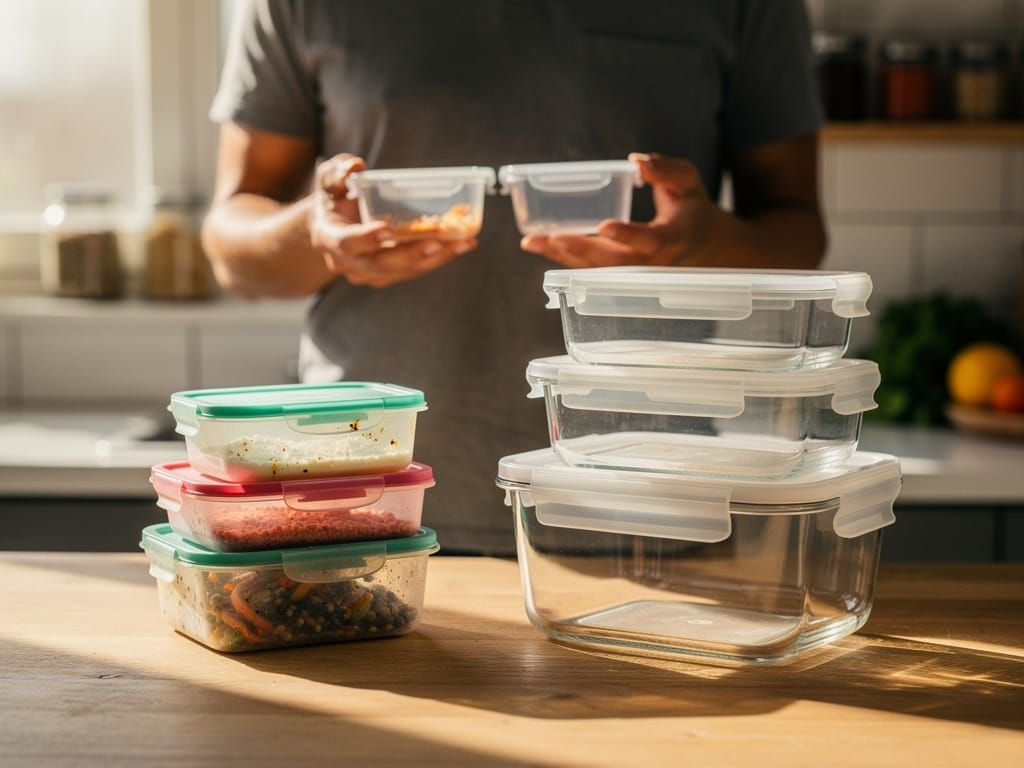
The Unseen Compromise of Plastic Storage
The decision to overhaul one's kitchen often begins with food, but the true foundation of a health-conscious space lies in the very vessels we use to store it. My own journey led me to a critical evaluation I call the 'kitchen audit', a process that moved beyond scrutinizing labels and into examining the materials touching my meals every day. This was not about chasing a fleeting wellness trend; it was a deliberate, research-informed pivot from the pervasive convenience of plastic to the steadfast purity of glass, a change that has profoundly reshaped my approach to daily nutrition and long-term well-being.
The widespread use of plastic in our kitchens is a modern marvel of convenience, but this ease comes with a significant, often invisible, compromise. Many plastic containers, especially older or heavily used ones, contain chemical compounds like bisphenol A (BPA) and phthalates, which are known endocrine disruptors. These substances can interfere with the body's hormonal systems, and extensive research has linked them to a host of health concerns. The process of leaching, where these chemicals migrate from the plastic into your food, is accelerated by heat-microwaving food in plastic is a primary culprit-but it also occurs with fatty or acidic foods and even with simple, prolonged contact.
Embracing the Purity and Performance of Glass
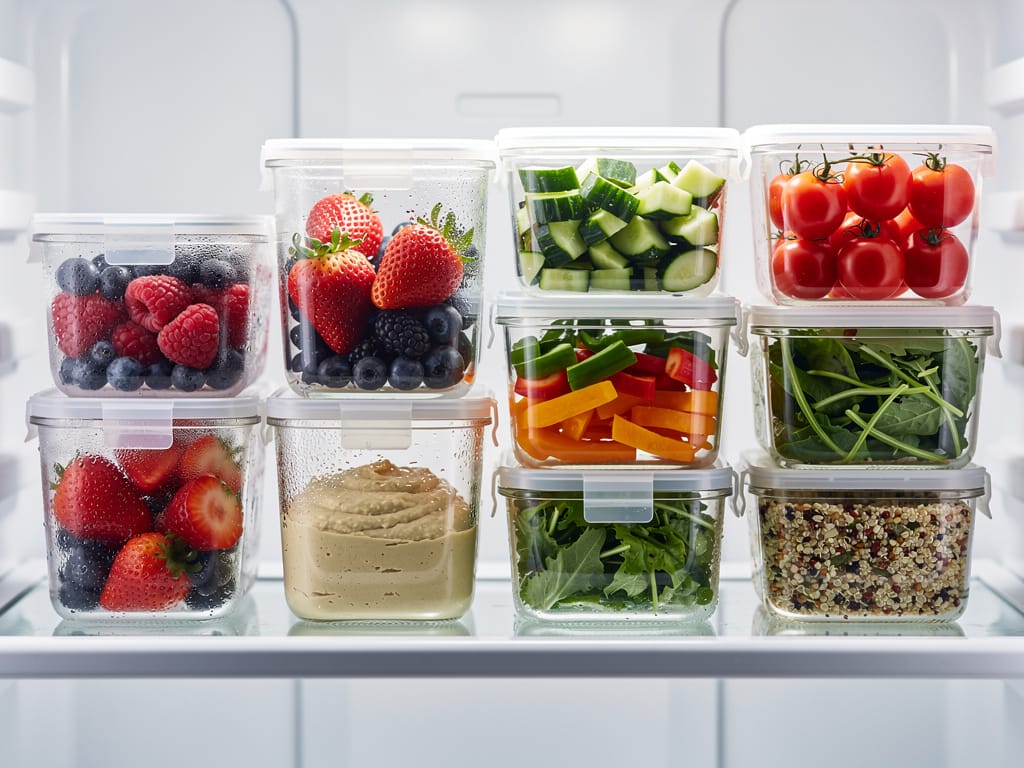
Transitioning to glass is an empowering act of reclaiming control over your immediate health environment. Unlike plastic, glass is an inert material, meaning it does not react chemically with the food it holds, ensuring that what you taste is purely your meal, free from any synthetic aftertaste or contamination. This chemical stability preserves the flavor, freshness, and nutritional integrity of your food far more effectively. Furthermore, the durability and non-porous nature of glass mean it resists stains and odors, and its infinite recyclability makes it a superior choice for anyone committed to a more sustainable, vibrant lifestyle.
A Practical Path to a Plastic-Free Kitchen

Making a complete switch can feel daunting, but it does not require an immediate and expensive overhaul. The most effective strategy is a gradual one, rooted in mindful replacement rather than wholesale disposal. Begin by identifying and discarding your most scratched, warped, or discolored plastic containers, as these are the most likely to be leaching chemicals. From there, you can slowly build your collection of glass containers, perhaps starting with a versatile set of varying sizes and adding specialized pieces over time. This measured approach transforms the task from a stressful financial burden into an intentional, rewarding process of curating a kitchen that truly supports your health goals.
This simple exchange of materials represents a powerful shift from passive consumption to active, informed self-care.