
The "Clear Air" Protocol: 3 simple swaps for a non-toxic home
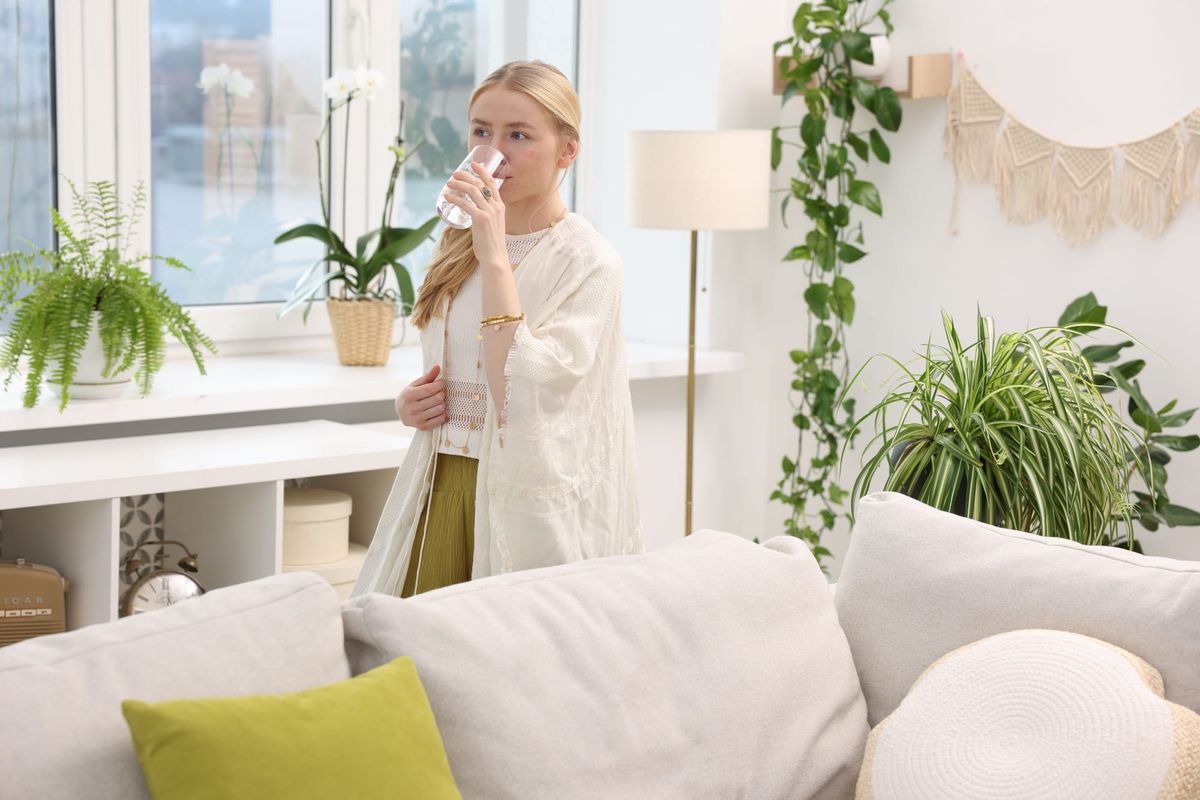
Here's something nobody really talks about: the air inside your home is often more polluted than the air outside. I know, it sounds backwards. But between synthetic fragrances, chemical-laden cleaners, and off-gassing furniture, most of us are breathing in a cocktail of irritants every single day without even realizing it. The good news? You don't need to gut your entire house or spend a fortune to fix it. You just need a few smart, intentional swaps - and that's exactly what the Clear Air Protocol is all about.
Pro Tip #1: Ditch the Synthetic Air Fresheners
I get it - you want your home to smell good. But those plug-in fresheners and aerosol sprays? They're loaded with phthalates and volatile organic compounds (VOCs) that mess with your hormones and irritate your respiratory system. Swap them out for a small essential oil diffuser with pure, single-ingredient oils like eucalyptus or lavender, or simply simmer a pot of water with citrus peels and cinnamon sticks on your stovetop. Your home will smell incredible, and you'll actually know every single thing that's going into the air you're breathing.
Pro Tip #2: Rethink Your All-Purpose Cleaner
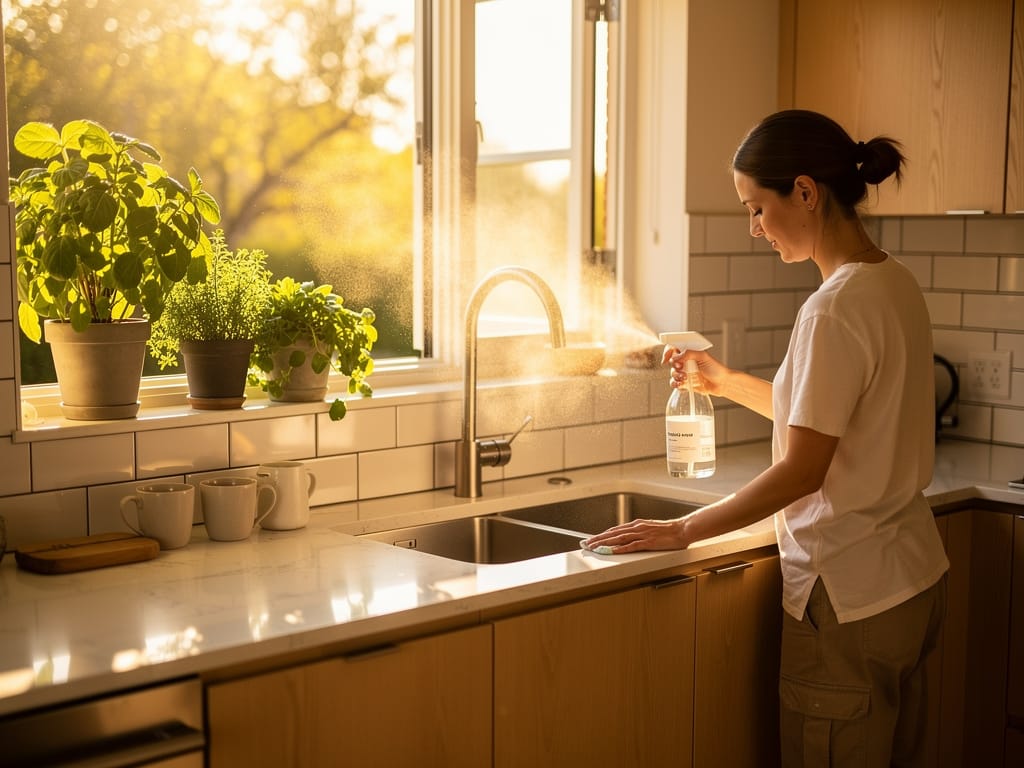
Most conventional all-purpose sprays contain ammonia, chlorine, and artificial fragrances - a trio that does a real number on your lungs and skin over time with repeated exposure. A simple mix of white vinegar, water, and a few drops of tea tree oil in a reusable glass spray bottle handles the vast majority of everyday cleaning tasks beautifully. If the vinegar smell bothers you, let it air out for five minutes after spraying - it dissipates fast, and what's left behind is a genuinely clean surface, not just a chemically masked one.
Pro Tip #3: Bring in the Right Plants (Strategically)
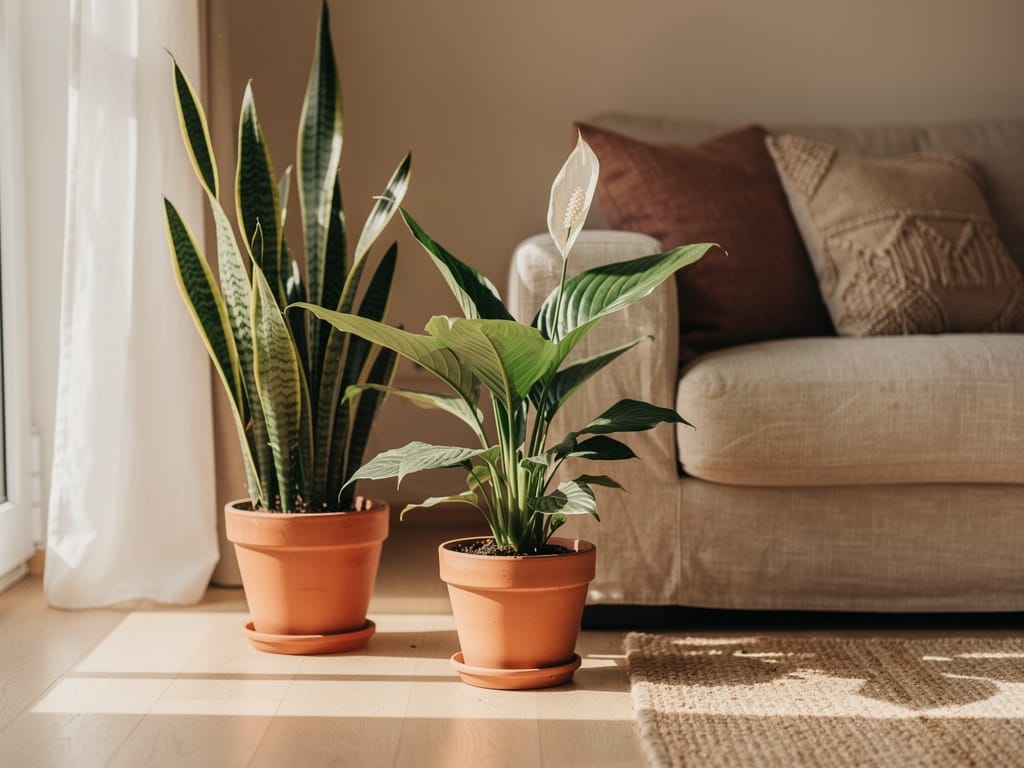
Plants aren't just pretty - certain varieties are genuinely effective at filtering common indoor pollutants like formaldehyde and benzene, which off-gas from furniture, carpets, and paint. Spider plants, peace lilies, and snake plants are your best friends here because they're low-maintenance and highly effective. Place them in the rooms where you spend the most time - your bedroom and living room - rather than scattering them randomly, and you'll get far more benefit from the same number of plants.
Pro Tip #4: Audit Your Candle Collection
Paraffin candles - which are the vast majority of what's sold in stores - are derived from petroleum and release soot and carcinogenic compounds when burned. Switching to 100% beeswax or coconut wax candles with cotton wicks is one of the easiest upgrades you can make, and honestly, they burn cleaner and longer too. Check the label carefully: if it just says "natural wax blend" without specifying the source, that's usually a sign that paraffin is still in the mix.
Pro Tip #5: Open Your Windows Like It's a Job
This one sounds almost too simple, but ventilation is genuinely one of the most powerful tools you have for improving indoor air quality. Even in colder months, cracking two windows on opposite sides of your home for just 10 to 15 minutes creates a cross-breeze that flushes out stale, pollutant-heavy air faster than any purifier can. Make it a non-negotiable part of your morning routine - open up while your coffee brews, and by the time you sit down with your cup, you're already breathing fresher air.
Pro Tip #6: Swap Your Dryer Sheets for Wool Balls
Dryer sheets are one of those sneaky sources of indoor chemical exposure that almost nobody thinks about - they coat your clothes and linens with synthetic fragrance and chemical softeners that you then sleep in and wear against your skin all day. Wool dryer balls are a one-time purchase that lasts for years, reduce drying time, and soften fabrics naturally. Add a couple of drops of your favorite essential oil to the balls before a cycle if you want that fresh-laundry scent without the chemical baggage.
When you step back and look at all six of these swaps together, a clear pattern emerges: the most effective path to a non-toxic home isn't about perfection, it's about substitution. You're not giving anything up - you're just choosing better versions of the things you already use every day. Each swap builds on the last, and before long, your home becomes an environment that genuinely supports your health rather than quietly working against it. That's the real power of the Clear Air Protocol - it's not a dramatic overhaul, it's a quiet, steady shift toward a home that actually has your back.