
Magnesium vs. Cortisol: What you need to know about the "relaxation mineral"

Okay, let's just sit with this for a second: studies suggest that up to 50% of the US population may not be getting enough magnesium. When you think about how many of us feel wired, tired, and just plain stressed out, that number starts to make a lot of sense. It’s easy to get lost in a sea of wellness advice, but sometimes, the simplest connections are the most powerful. Today, we're going to have a friendly chat about two major players in your body’s stress story: a hormone named cortisol and a mineral that’s earned its nickname as the 'relaxation mineral' - magnesium.
The Cortisol Story: Your Body's Built-In Alarm System
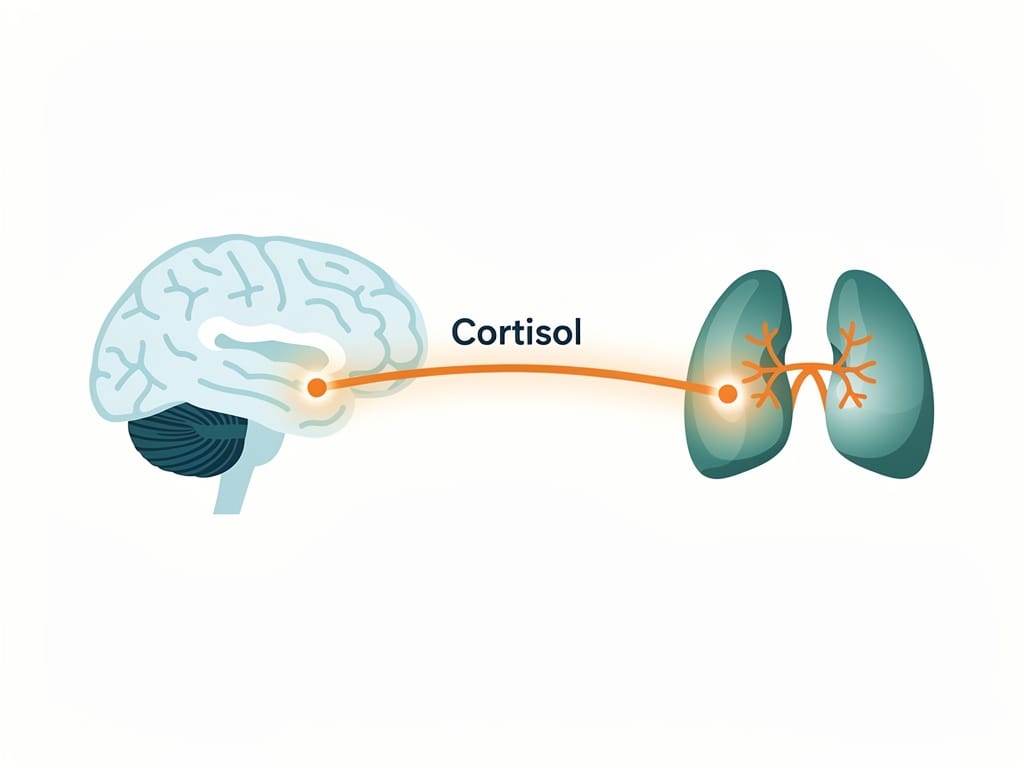
Think of cortisol as your body’s chief of emergency services. When you’re facing a threat-whether it’s a looming deadline or a near-miss in traffic-your adrenal glands release it. This isn't a bad thing; it’s a brilliant survival mechanism that’s been refined over **200,000** years of human history. It sharpens your focus and gets your body ready for action. The problem isn't cortisol itself; it's the non-stop, low-grade stress of modern life that keeps the alarm bells ringing. When cortisol levels stay high for too long, it can disrupt nearly every process in your body, with research showing chronic stress impacts everything from sleep quality to immune function in over **90%** of cases.
When the Alarm Won't Turn Off
So, what happens when that cortisol faucet is always dripping? Your body stays in a state of high alert. This constant activation of your stress response system is a huge drain on your resources. It’s like leaving a car engine running 24/7 - eventually, you're going to run out of gas and parts will start to wear down. This is where we see the connection to feeling perpetually exhausted, having trouble sleeping, and even experiencing brain fog. It's a physiological signal that your system is overloaded.
Enter Magnesium: The 'Relaxation Mineral' to the Rescue
Now, let’s talk about magnesium. This incredible mineral is a cofactor in more than 300 enzyme systems that regulate countless biochemical reactions in the body. It’s involved in everything from energy production to muscle function and nerve signaling. When it comes to stress, magnesium plays a particularly special role. It acts as a gatekeeper for our nerve cells, helping to calm the nervous system and prevent it from getting overexcited. Without enough magnesium, that gate is left wide open, making it much harder for your mind and body to relax.

The Science Behind the Calm
Here’s where it gets really interesting. Magnesium has a direct relationship with your body's stress response headquarters, known as the HPA axis (hypothalamic-pituitary-adrenal axis). Research indicates that a healthy level of magnesium helps regulate this axis, essentially telling your brain it’s safe to power down the alarm. One of its key jobs is to support GABA, a neurotransmitter that promotes calm. Think of GABA as the brake pedal for your brain. Magnesium helps ensure that the brake works effectively, and studies have shown a direct correlation between low magnesium levels and increased anxiety, with some analyses showing a more than 35% improvement in subjective anxiety scores with magnesium support.
- Physical and psychological stress are known to increase the body's magnesium excretion by up to 60%, creating a vicious cycle where stress depletes the very mineral needed to manage it.
- Magnesium helps block the activity of more stimulating neurotransmitters and binds to calming receptors, resulting in a more peaceful, rested state. It's estimated to be one of the top 5 most important electrolytes for nervous system function.
- Studies on the HPA axis show that individuals with lower magnesium levels exhibit higher levels of cortisol, suggesting magnesium deficiency can make the body more susceptible to the stress response.
So, what's the takeaway from all this data? The relationship between magnesium and cortisol isn't a one-way street; it's a feedback loop. Chronic stress and high cortisol can deplete your magnesium, and low magnesium can make you more reactive to stress, leading to higher cortisol. It’s a cycle that can leave you feeling drained and on edge. The numbers clearly show that these two are in a constant dance, and when one is out of step, the whole system feels it.
This isn't about finding a quick fix or blaming yourself for feeling stressed. It's about understanding how your body works and gently guiding it back to balance. By focusing on foundational support through magnesium-rich foods like leafy greens, nuts, seeds, and dark chocolate, you're giving your body a fundamental tool it needs to manage its own alarm system. It’s a simple, powerful way to tell your body, 'Hey, I've got you. It's safe to stand down.'