
The bedroom air trap.
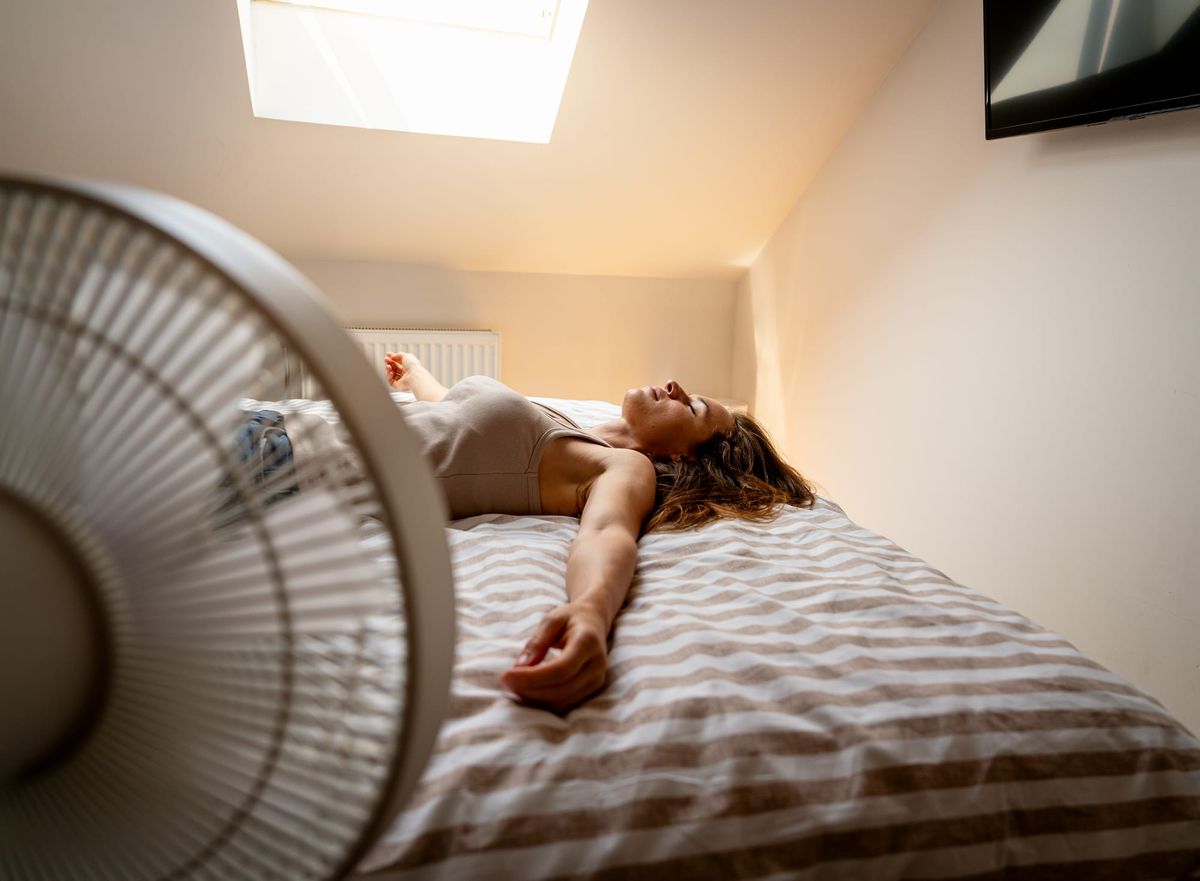
According to the U.S. Environmental Protection Agency, the air inside the average home can be 2 to 5 times more polluted than the air outside. While we focus on toxins in our food and water, the very air in our most restorative space-the bedroom-is often a concentrated source of contaminants that directly impact our sleep, recovery, and daily energy. This isn't an unsolvable problem; it's a hidden variable in your health that you have the power to control. Understanding the data is the first step to dismantling the trap and transforming your bedroom into a true sanctuary for healing.
What's Hiding in Your Sanctuary?
The invisible threats in your bedroom are numerous, but they are quantifiable. Volatile Organic Compounds (VOCs) are a primary offender, off-gassing from sources you might not suspect. That new mattress, for instance, can release over 60 different types of VOCs, and the chemicals from fresh paint can linger for months. These compounds are linked to respiratory issues, headaches, and dizziness, directly interfering with the body's ability to rest deeply. It's a silent disruption happening right under your nose.
Beyond chemicals, we have biological contaminants. The average used mattress may have anywhere from 100,000 to 10 million dust mites inside. These microscopic creatures and their waste are a major trigger for allergies and asthma, contributing to nighttime congestion and breathing difficulties. Add to that mold spores, which can flourish in environments with over 50% humidity, and pet dander, and you have a complex mixture of particulates that your body has to filter all night long, diverting precious energy from cellular repair and recovery.
The Proven Link Between Air and Sleep Quality
This isn't just a theory; the scientific link between poor indoor air and poor sleep is well-documented. A 2017 study published in the journal 'Building and Environment' found that participants in bedrooms with better ventilation and lower levels of carbon dioxide experienced a measurable improvement in sleep quality. They reported feeling better rested and even demonstrated improved cognitive performance the next day. Specifically, higher VOC concentration has been directly associated with a 3.4% reduction in sleep efficiency, meaning more time spent awake and restless in bed.
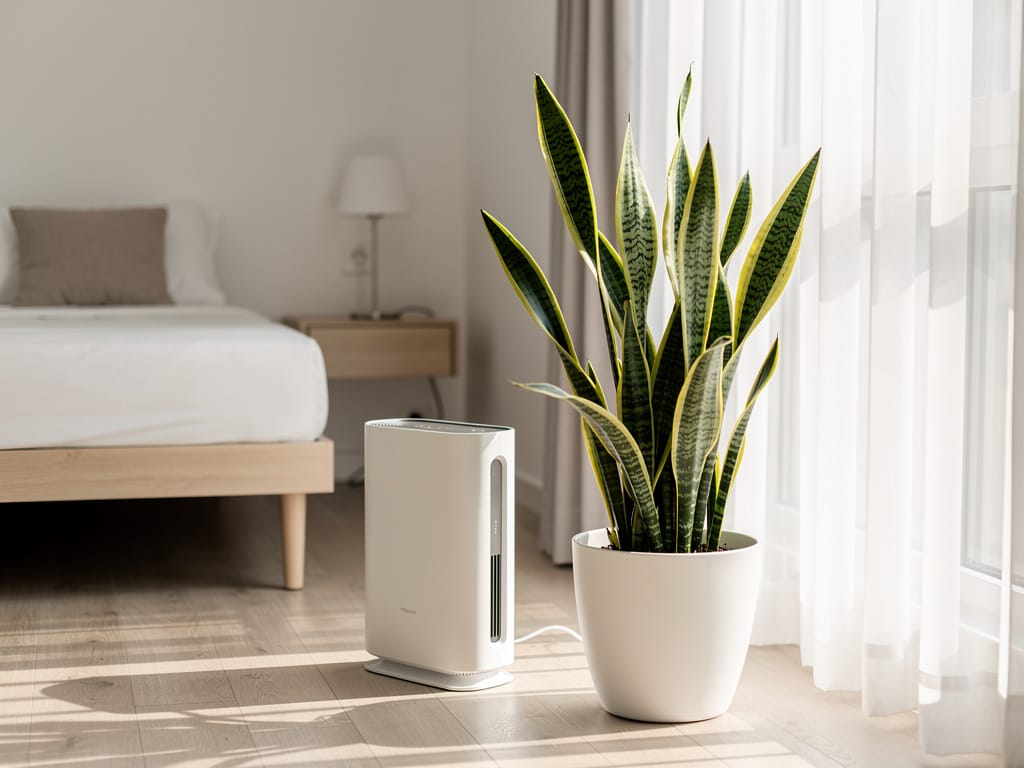
- HEPA Filtration: A high-quality air purifier with a True HEPA filter is engineered to capture 99.97% of airborne particles as small as 0.3 microns, including dust, pollen, mold, and pet dander.
- Strategic Ventilation: Simply opening your windows for 15-30 minutes each morning can dramatically decrease the concentration of accumulated nighttime CO2 and VOCs, refreshing the entire environment.
- The Power of Plants: NASA's Clean Air Study famously identified houseplants that are effective at filtering common toxins. A Snake Plant, for example, is unique for converting CO2 into oxygen at night and can remove at least 107 known air pollutants.
- Conscious Cleaning: Many commercial cleaning products are major sources of VOCs. Switching to simple solutions like vinegar and water can eliminate a significant source of chemical exposure, as a single conventional air freshener can contain more than 100 different chemicals.
Optimizing Your Air for Peak Recovery
Your journey to cleaner air begins with awareness of the materials you bring into your home. Synthetic fragrances in detergents, candles, and plugins are a constant source of airborne chemicals. Look for bedding made from organic materials like cotton or linen, which don't undergo the same harsh chemical treatments as synthetic fabrics. When purchasing new furniture or a mattress, look for certifications like GREENGUARD Gold, which ensures the product has met rigorous standards for low chemical emissions, with over 10,000 chemicals screened.
The data paints a clear picture: the quality of the air you breathe for eight hours every night has a direct and measurable impact on your health. The accumulation of VOCs, dust mites, and CO2 isn't just an unpleasant thought; it's a quantifiable burden on your body's restorative processes. It forces your system to work harder when it should be healing, leading to fragmented sleep and diminished daytime vitality. This is the air trap-an invisible stressor that chips away at your potential.
But this knowledge is power. It empowers you to take deliberate, data-backed action. You don't need to do everything at once. Start by opening a window every morning. Swap your scented candle for an essential oil diffuser. Choose one small, manageable change and implement it. By systematically reducing the pollutants in your personal environment, you take back control, turning your bedroom from a source of passive exposure into an engine for active recovery and vibrant living.