
Stop stretching in the morning.
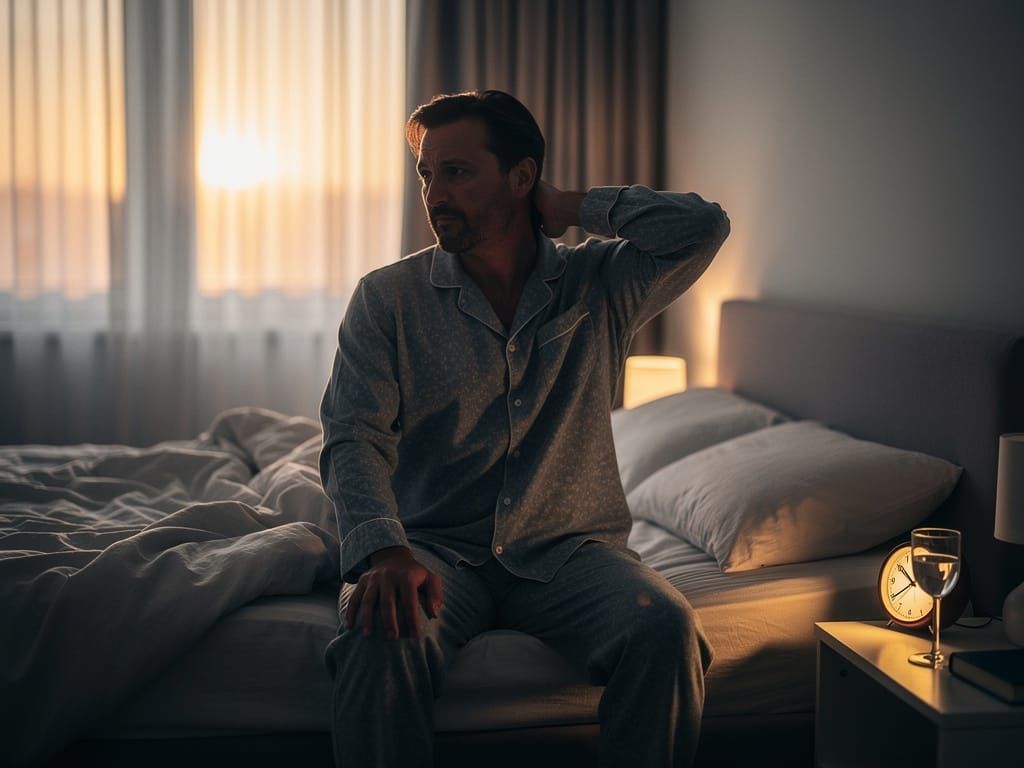
It’s an image we all know, a scene from a thousand movies and morning routines. The alarm fades, you sit up, and then comes the big one- a deep, satisfying stretch, arms reaching for the ceiling, a long yawn accompanying the release. It feels instinctive, like the body’s natural way to greet the day. But what if this deeply ingrained habit, this first act of self-care, is actually setting you up for failure before your feet even touch the floor?
This isn’t about demonizing stretching as a practice. It’s about timing. And the truth is, reaching into a deep, static stretch first thing in the morning can do more harm than good. We need to rethink what our bodies truly need in those first few moments of wakefulness.
The Cold, Hard Truth About Morning Muscles
Imagine a rubber band that’s been left in a cold room overnight. If you were to grab it and immediately try to pull it to its maximum length, you’d feel a stiff resistance. It might even snap. Your muscles are no different. After hours of relative inactivity during sleep, your muscles are 'cold'. Blood flow is reduced, their internal temperature is lower, and the connective tissues are less pliable. When you force these unprepared muscle fibers into a deep, held position- known as static stretching- you are pulling on that cold, stiff rubber band. This can create microscopic tears in the muscle fibers, leading to a feeling of weakness or instability rather than readiness.

The Power of Waking Up Before You Work Out
The goal of a morning routine shouldn't be to force flexibility, but to gently awaken the body. This is where the critical distinction between static and dynamic movement comes into play. That long, held hamstring stretch you do while trying to touch your toes is static. It’s a fantastic tool for increasing flexibility, but it’s best reserved for when your muscles are warm and receptive, like after a workout or at the end of the day.
What your body craves in the morning is dynamic movement. Think of it as a gentle conversation with your body, not a command. These are active, flowing movements that take your joints and muscles through their full range of motion. The purpose isn't to hold a position of tension, but to generate heat and increase circulation. This process lubricates your joints and sends a clear signal to your nervous system that it’s time to get moving. You are preparing your body for the demands of the day, not testing its limits.
Your New Morning Movement Ritual
So, what does this new morning look like? It’s simpler and more intuitive than you might think. Instead of dropping into a deep stretch, begin with five minutes of gentle, rhythmic motion. Start with some slow neck rolls, easing the tension from your pillow. Transition into big, deliberate arm circles, both forward and backward, feeling the shoulder blades glide. Stand up and perform some gentle leg swings, letting your leg move like a pendulum, forward and back, then side to side. A few walking lunges without weight or some slow torso twists can awaken your core and spine. You’re not aiming for a burn; you’re aiming for flow. You’re warming the engine.
This small shift in perspective changes everything. You stop fighting your body’s natural state and start working with it. You provide the warmth and blood flow it needs to become pliable and strong. You are honoring its physiology. The deep, relaxing stretches can wait for the evening, a perfect ritual to wind down and release the tension of the day. For the morning, the mission is activation.
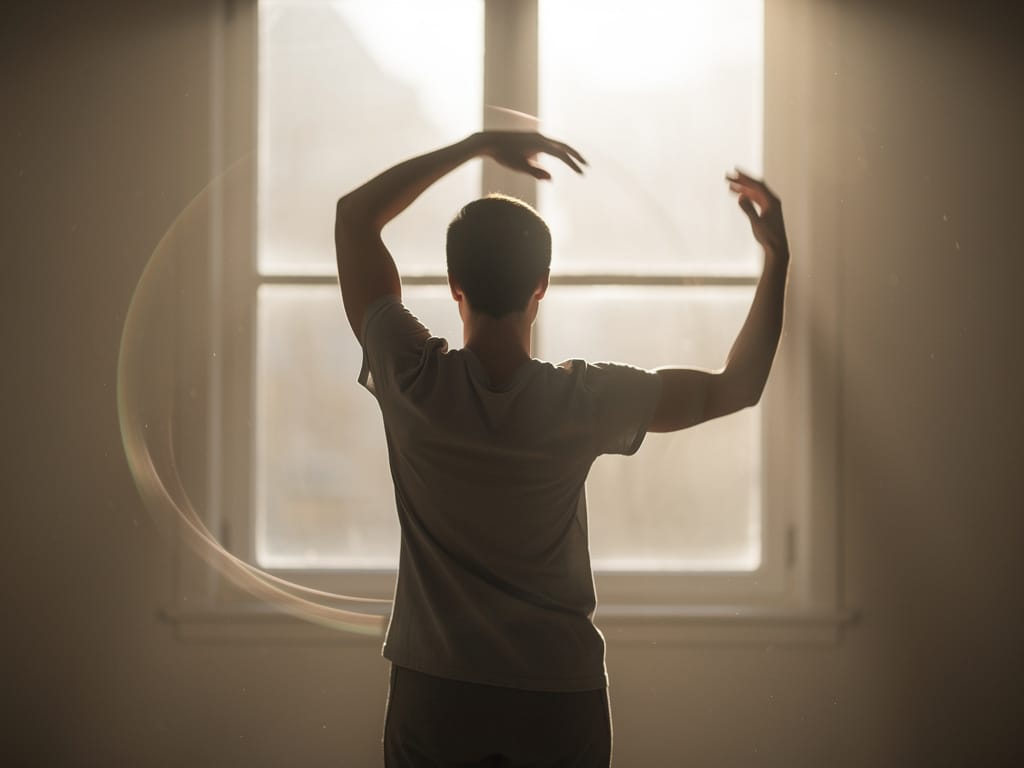
Trade your static morning stretch for a dynamic warm-up tomorrow. Just five minutes. Feel the difference not just in your body, but in your energy. You aren’t just waking up your limbs; you are waking up your potential for the day ahead. This isn’t about adding a complicated new task to your morning, but about making the first thing you do a more intelligent, effective, and empowering act of self-awareness. Let your first movement be one of preparation, not strain. Let it be the foundation for a day of vibrant, fluid living.