
Ditch your plastic kettle
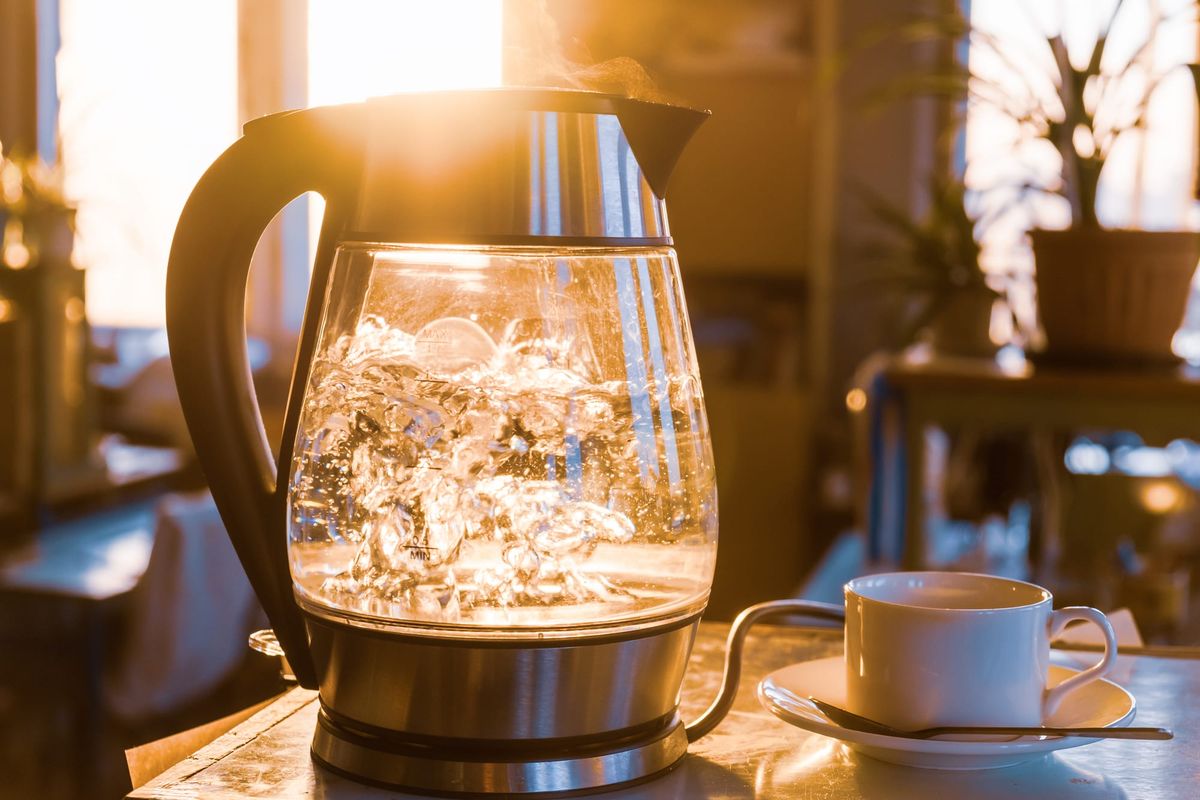
- Your trusty plastic kettle, especially when old or scratched, can release tiny plastic particles (microplastics) and chemicals into your boiling water.
- Heat is the main culprit; it accelerates the breakdown of plastic, increasing the chances of leaching chemicals like BPA and phthalates into your morning coffee or tea.
- Switching to a kettle made from glass, stainless steel, or ceramic is a simple, one-time fix to seriously reduce your daily exposure to these unwanted compounds.
- This isn't about panic-it's about making a small, smart upgrade for your long-term well-being, one cup at a time.
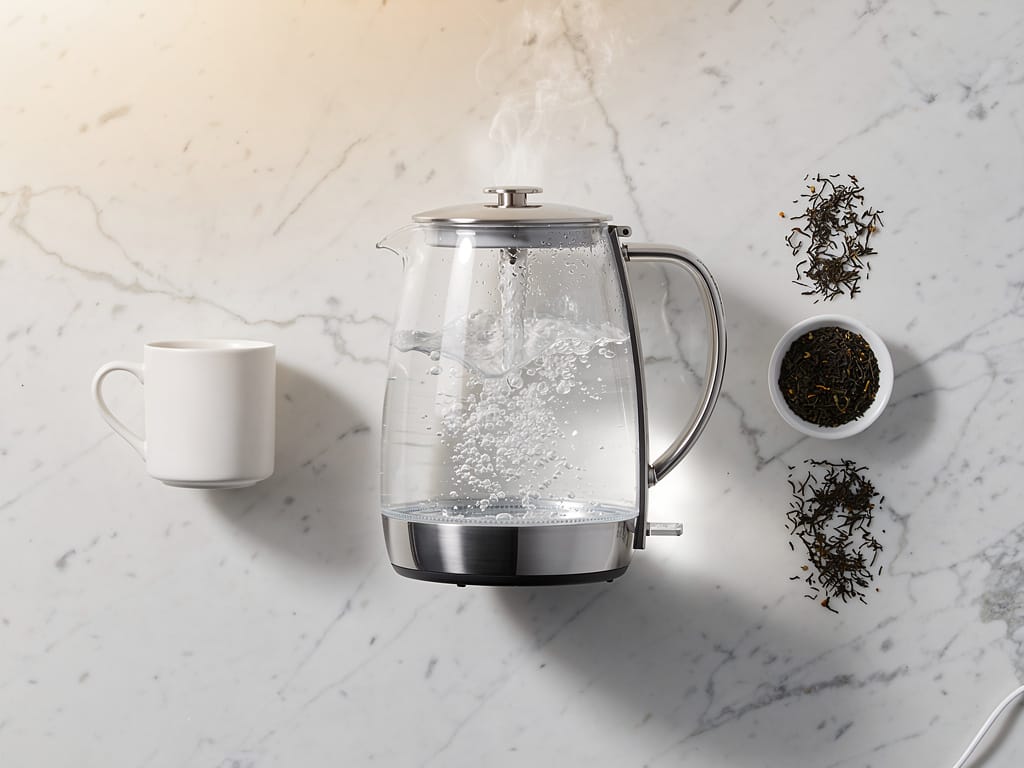
That Kettle Isn't as Innocent as It Looks
Okay, let's have a little chat. You and me, over a warm cup of something lovely. I want you to glance over at your kitchen counter. See that electric kettle? If it's made of plastic, I've got some thoughts you'll want to hear. I know, I know-it's been a faithful friend, boiling water for countless cups of tea, coffee, and instant oatmeal. It's convenient and probably didn't cost a fortune. But what if I told you that this simple appliance might be adding a little something extra to your water that you definitely didn't ask for?
We're talking about microplastics and chemicals. It sounds scary, but stick with me. Most plastics, even those labeled 'BPA-free', can contain other compounds that act like hormones in our bodies. Over time, with hundreds of cycles of heating and cooling, the plastic surface starts to degrade. Tiny, invisible scratches form, and with every boil, there's a risk of microscopic particles breaking off and ending up in your mug. It's not some wild conspiracy theory; studies have shown that plastic kettles can release millions of microplastic particles per liter of water. Yikes, right?
Why Heat and Plastic Are a Terrible Combo
Think of it like this: plastic is just not meant to be repeatedly boiled. Heat is an accelerator. It stresses the chemical bonds in the plastic, making it much more likely to break down and leach whatever it's made of. So while a plastic water bottle sitting at room temperature is one thing, a plastic kettle that hits 212°F multiple times a day is a whole different ball game. The constant, extreme temperature changes create the perfect storm for chemical migration from the kettle into the water.
This isn't about creating fear. It's about being intentional with our daily rituals. You're probably already careful about the food you eat and the water you drink, so this is just the next logical step. It's one of the easiest and most impactful swaps you can make in your kitchen for your health. You use it every single day, so making sure it's as clean as possible just makes sense. You wouldn't cook your soup in a plastic pot on the stove, so why boil your water in one?
Making the Switch: Your Best Kettle Options
So, you're ready to break up with your plastic kettle. Amazing! The good news is that there are fantastic, beautiful, and safe alternatives out there that will last you for years. You don't have to spend a fortune, either. It's a 'buy it once, buy it right' kind of situation. Here's a quick rundown of your best bets:
- Stainless Steel: This is the workhorse of the non-toxic kitchen. It's durable, won't leach chemicals, and is super easy to clean. Look for kettles made from 100% food-grade stainless steel on the interior-meaning no plastic parts touch the water. They heat up fast and are built to last.
- Glass: If you want to be absolutely sure nothing is leaching into your water, glass is your best friend. It's completely inert, meaning it won't react with the water at all. Plus, let's be honest, watching the water come to a rolling boil is weirdly satisfying. The only downside is that they can be a bit more fragile, so you just have to handle them with a little more care.
- Ceramic: A less common but beautiful option! Ceramic kettles are stylish and, like glass, are very non-reactive. They can be a bit heavier and sometimes take a little longer to boil, but they hold their heat well and can be a real statement piece on your counter.
Making this one simple change is a powerful act of self-care. It's a daily reminder that you're prioritizing your health in small, sustainable ways. You're not just boiling water; you're investing in a cleaner, more vibrant foundation for your well-being, starting with the very first cup of the day.
A Simple Upgrade for Peace of Mind
At the end of the day, ditching your plastic kettle is a simple, high-impact swap. It's not about perfection; it's about making smarter choices where we can. Your morning ritual should be a source of comfort and nourishment, not a source of hidden chemicals. By upgrading to glass or stainless steel, you're taking one more step toward a home that truly supports your health, giving you peace of mind with every single pour.