
Buy glass, not Teflon.
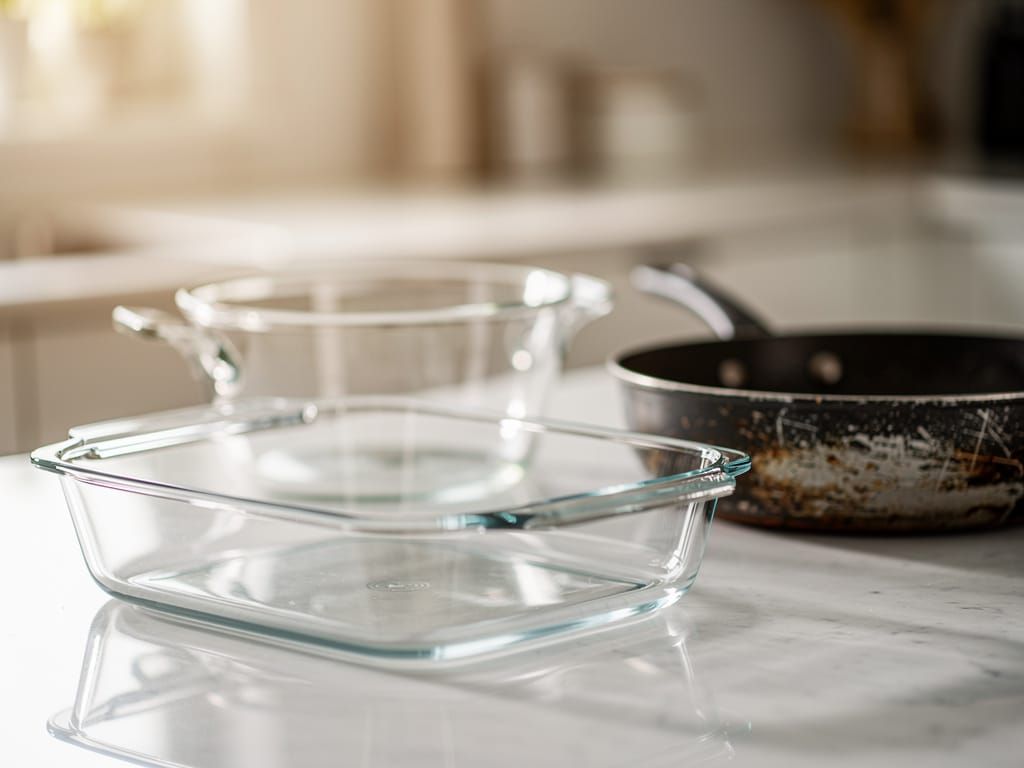
Think about the simple, grounding act of preparing a meal. The gentle chop of a knife on a wooden board, the aroma of garlic hitting a warm pan. It’s a daily ritual, a moment of creation. But what is that pan made of? For decades, we’ve been sold a story of convenience-a slick, non-stick surface that promises a perfect flip and an easy cleanup. Yet, as we look closer at the tools we use every day, a different story emerges. It’s a story that asks us to choose not what is merely convenient, but what is fundamentally clean, pure, and aligned with a life of true vitality.
The Hidden Cost of 'Easy Clean'
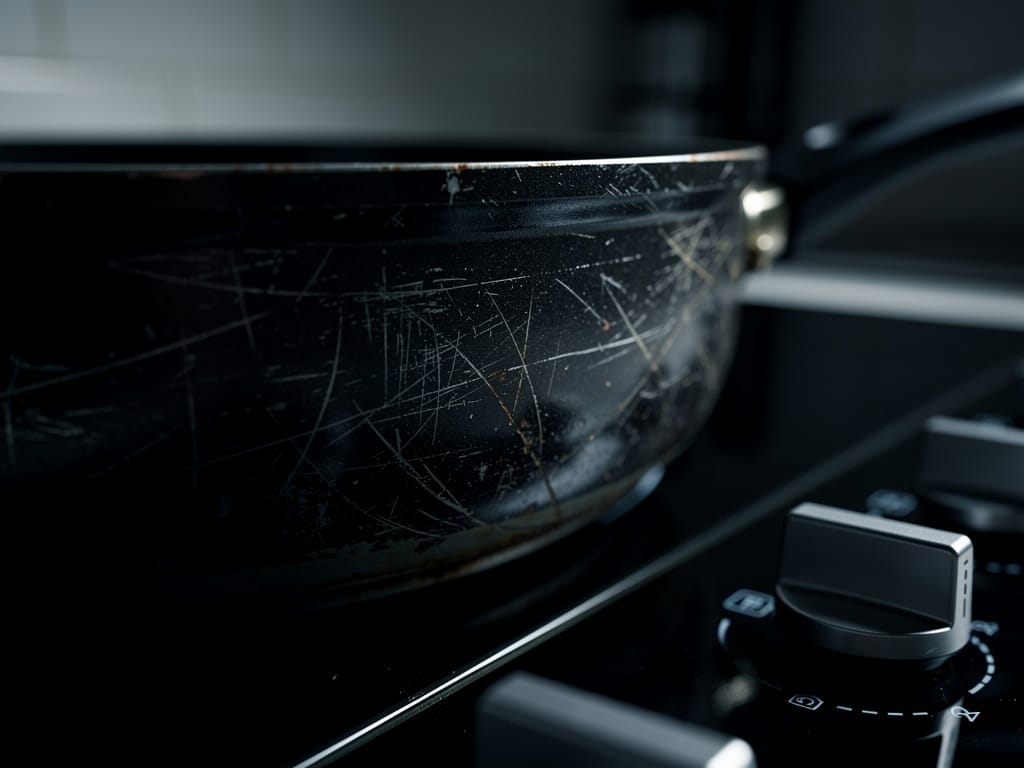
That seemingly magical non-stick surface is often created with a class of chemicals known as PFAS (per- and polyfluoroalkyl substances). You might have heard of them by their more ominous name: 'forever chemicals'. These compounds are incredibly persistent, both in the environment and in our bodies. When non-stick cookware is heated to high temperatures, or when its surface becomes scratched and worn, these chemicals can break down and migrate into the very food you’re carefully preparing. This isn’t about creating fear; it’s about building awareness. Understanding what’s in your kitchen gives you the power to make a different choice-one that supports your body’s natural functions instead of burdening them.
The Clarity and Purity of Glass
Now, imagine a different option. Picture a heavy, clear glass baking dish, pulled warm from the oven. Consider a sturdy glass container holding your vibrant, prepped lunch. Glass is one of the most simple and pure materials available. It is inert, which means it doesn’t react with your food, leach chemicals, or hold onto the flavors and odors of past meals. What you taste is your food, and only your food. There is an honesty to glass. It’s transparent, durable, and completely free from the synthetic compounds that have become so common. Choosing glass is a return to basics, a decision to bring a material into your home that is as clean as the whole foods you fill it with.
A Ripple Effect in Your Daily Rituals
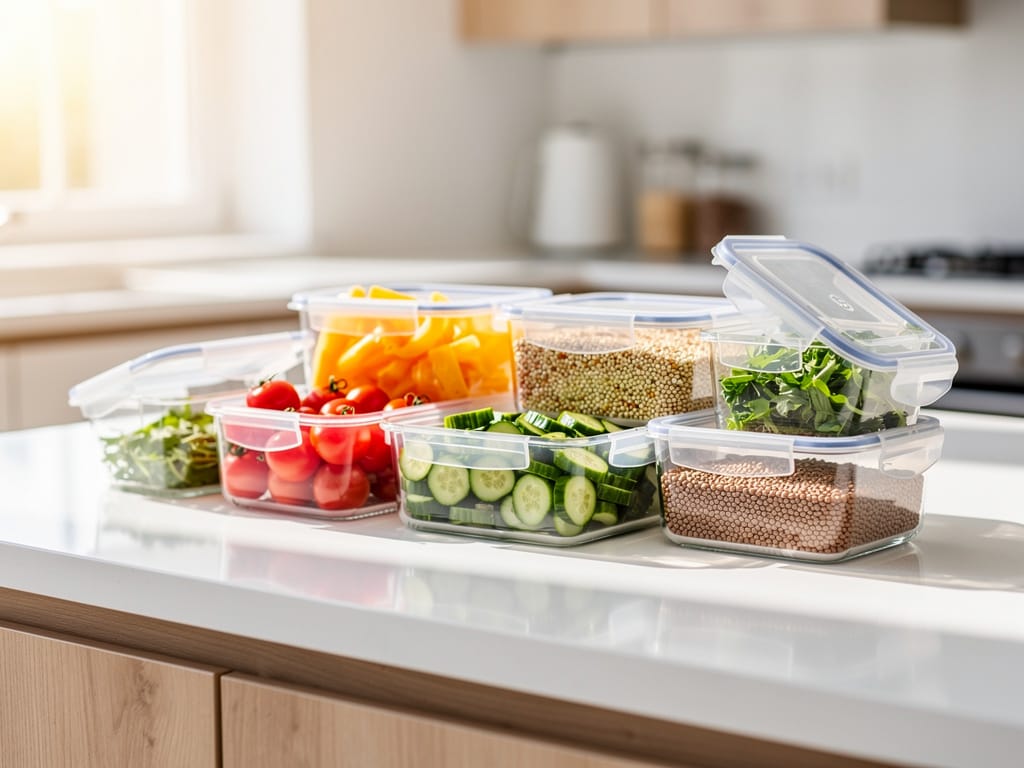
This decision extends far beyond a single frying pan. When you start replacing plastic food containers with glass, your daily ritual of packing lunch or storing leftovers transforms. It becomes an act of intention. Your food looks more appealing, stays fresher, and can be reheated in the same container without a second thought about what you might be ingesting. This small shift sends a powerful signal. It’s a commitment to removing unnecessary chemical exposures from your life and creating an environment that truly supports your well-being from the ground up.
Making the Conscious Swap
The idea of overhauling your kitchen can feel like a huge task, but it doesn’t have to be. This isn't about perfection; it's about progress. Start small. Identify the one piece of non-stick cookware you use most often-perhaps the skillet for your morning eggs-and replace it with a high-quality alternative like cast iron, stainless steel, or ceramic. Next, look at your food storage. Begin by replacing your most-used plastic containers with a set of glass ones. Each swap is a victory, a concrete step toward a cleaner, more vibrant way of living. You are reclaiming your kitchen, turning it into a sanctuary for health, one clear container at a time.
Ultimately, the choice between a coated pan and a glass dish is a choice about your standards for your own health. It’s about moving past the marketing of convenience and asking a deeper question: what truly nourishes me? By choosing glass, you are not just buying a new piece of cookware. You are investing in your long-term health, simplifying your environment, and making a powerful statement that you deserve purity, clarity, and the absolute best foundation for a vibrant life.