
Are your supplements toxic?
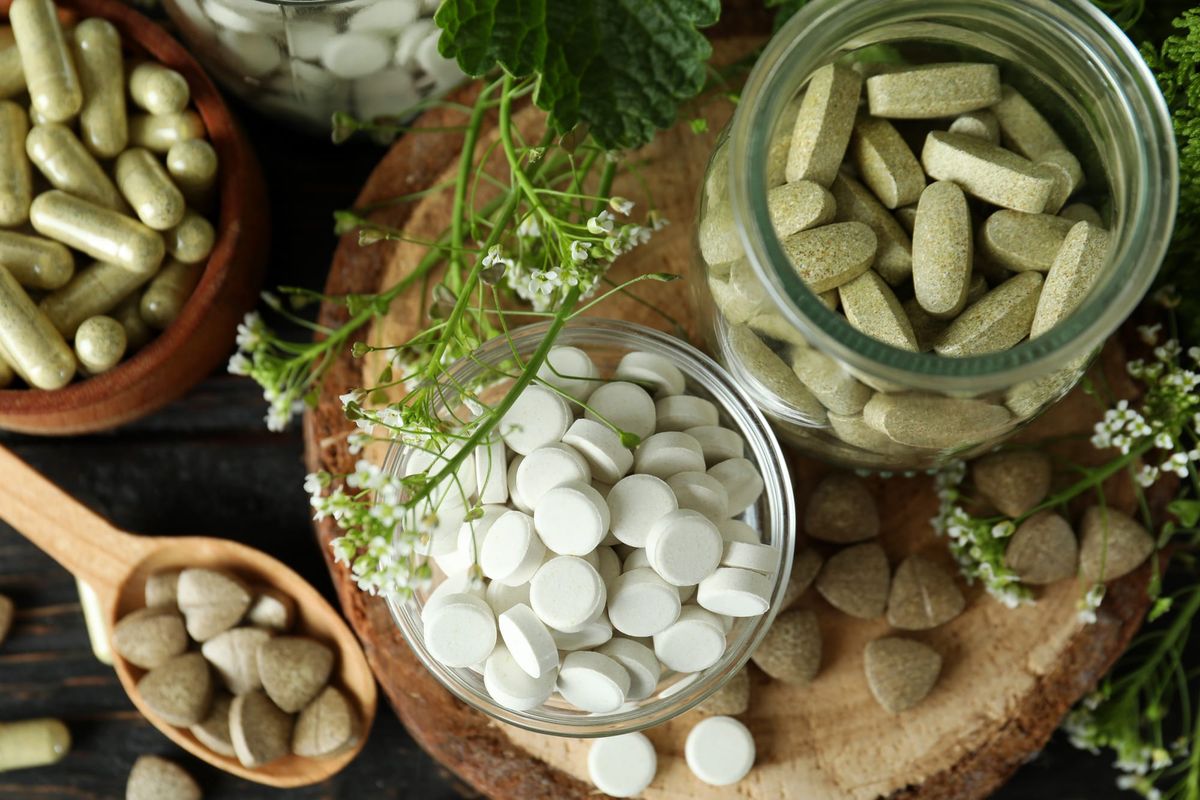
You have made a conscious decision to support your body's wellness, investing in supplements to fill nutritional gaps and optimize your health. This proactive step is a powerful commitment to your own vitality. Yet, a critical question often goes unasked: are the very products you trust to heal actually introducing harmful substances into your system? The journey to true well-being requires a deeper look, transforming you from a passive consumer into an informed guardian of your own health.
The Hidden Dangers in Your Daily Dose

The wellness market is flooded with products, but not all are created with the same standard of purity. The unfortunate reality is that contaminants can infiltrate supplements at various stages, from the sourcing of raw materials to the manufacturing process. This isn't about inducing fear, but about fostering a healthy skepticism and empowering you with the knowledge to make better choices for your body. Understanding these potential pitfalls is the first step toward ensuring your health regimen is genuinely beneficial.
Heavy Metals and Environmental Contaminants
One of the most significant concerns is the presence of heavy metals such as lead, arsenic, cadmium, and mercury. These elements can accumulate in soil and water, and as a result, they can be absorbed by the plants that form the basis of many herbal and whole-food supplements. When consumed, even in small amounts over time, these metals can place a substantial burden on the body's detoxification systems and contribute to a range of chronic health issues. The origin and quality of the raw ingredients are therefore not just a minor detail-they are central to the safety of the final product.
Unnecessary Fillers, Binders, and Additives
Beyond environmental contaminants, many supplements contain a host of synthetic fillers, binders, and flow agents designed to improve manufacturing efficiency or shelf stability. Ingredients like magnesium stearate, silicon dioxide, and titanium dioxide are commonplace, yet they offer no nutritional value and can sometimes interfere with nutrient absorption or cause digestive distress in sensitive individuals. Your pursuit of health should not involve ingesting industrial-grade compounds; it should be focused on pure, active ingredients that directly support your biological functions.
Beyond the Label: Why Purity Matters Most
Reading an ingredient list is only part of the story. The true measure of a supplement's quality lies in what is not listed-the potential contaminants that are only revealed through rigorous, objective analysis. This is where the responsibility shifts, demanding a more discerning approach to selecting the products you allow into your body. It is your right to demand transparency and proof of purity from the brands you support.
The Unregulated Landscape
It is a common misconception that dietary supplements are regulated with the same stringency as pharmaceutical drugs. In reality, the industry operates with significantly less oversight, meaning that a product can reach the market without pre-approval for safety or efficacy. This regulatory gap places the burden of quality control largely on the manufacturer, and by extension, on you. Without a commitment to self-regulation and transparency from a company, you are essentially trusting their marketing claims at face value.
The Gold Standard of Third-Party Testing
This is precisely why third-party testing is non-negotiable for anyone serious about their health. Independent organizations like NSF International, USP (United States Pharmacopeia), and ConsumerLab.com serve as unbiased arbiters of quality. They test products for ingredient potency, ensuring what's on the label is actually in the bottle, and screen for harmful levels of heavy metals, pesticides, and other contaminants. Choosing supplements certified by these bodies is the single most effective action you can take to protect yourself and guarantee your investment is supporting, not hindering, your well-being.
True health optimization is an act of meticulous self-care, starting with the purity of what you consume.